
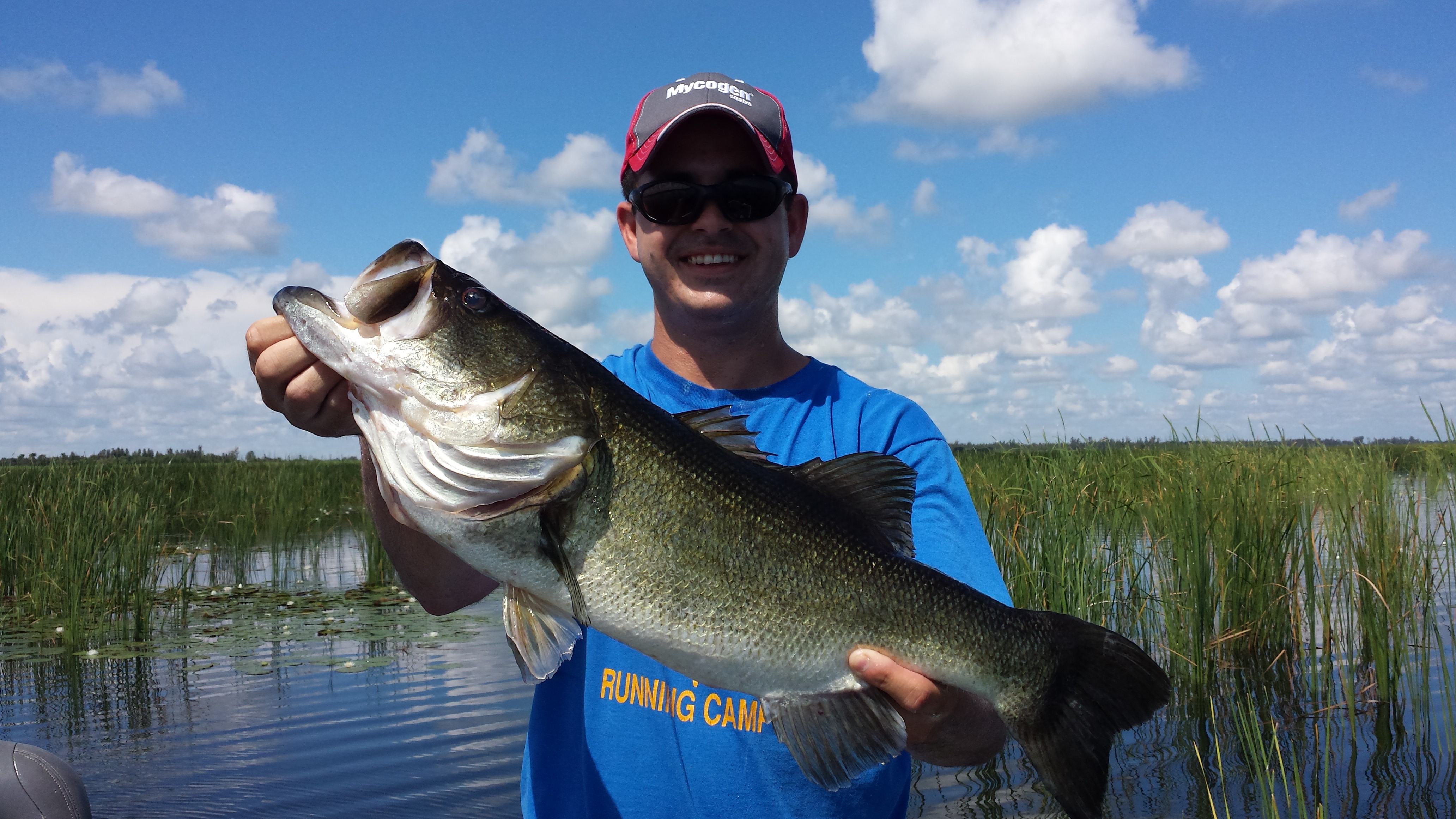
License Requirements for 16-Year-Old Anglers
Good news for young anglers - at 16, you don’t need a fishing license in Indiana! The state allows individuals under 18 to fish without a license, making it easier for teens to enjoy this rewarding outdoor activity. However, it’s essential to understand that once you turn 18, you’ll need to obtain a proper fishing license to continue fishing legally in Indiana waters.
While you don’t need a license at 16, it’s still crucial to familiarize yourself with fishing regulations and best practices. This knowledge will not only prepare you for when you do need a license but also help you become a responsible angler from the start.
Understanding Indiana Fishing Regulations
Even though you don’t need a license, you’re still required to follow Indiana’s fishing regulations. These rules are in place to protect fish populations and ensure sustainable fishing practices. Here are some key regulations to keep in mind:
Bag and Possession Limits: These limits vary depending on the species of fish. For example, the daily bag limit for largemouth bass is 5 fish.
Size Limits: Some fish species have minimum size requirements. For instance, walleye caught north of State Road 26 must be at least 16 inches long.
Fishing Methods and Gear Restrictions: Indiana has specific rules about the types of fishing gear you can use. For example, you’re limited to using no more than three poles or hand lines at a time.
Specific Regulations for Dams: There are special rules for fishing near dams. In most cases, you can’t fish within 200 yards of a dam using certain methods like trot lines or nets.
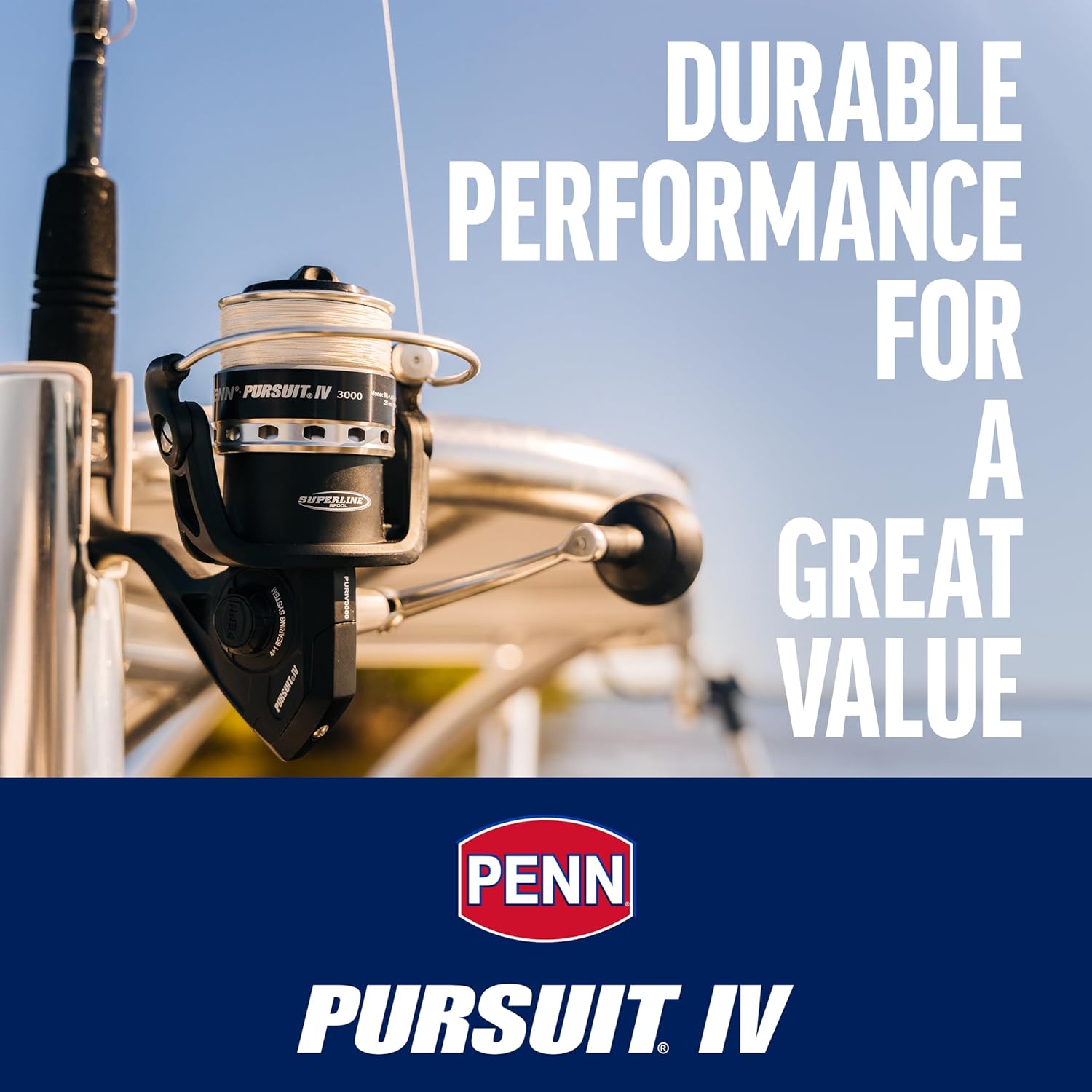
Penn Pursuit IV Spinning Combo
It’s important to note that these regulations can change, so always check the most current Indiana Department of Natural Resources (DNR) fishing guide before your trip.
Best Fishing Spots for Teens in Indiana
Indiana offers a variety of excellent fishing locations suitable for anglers of all ages. Here are some spots that are particularly great for teens:
Deam Lake State Recreation Area: This 194-acre lake is perfect for beginners. It offers a public boat launch ramp and rentals for rowboats and kayaks during the summer months.
Clark State Forest: With seven lakes open to fishing, Clark State Forest provides diverse fishing opportunities. Most lakes have boat launch ramps, but motors are limited to electric trolling motors only.
Charlestown State Park: If you prefer stream fishing, Trail 3 along 14 Mile Creek in Charlestown State Park is an excellent spot for catching bass, bluegill, and catfish.
Sam Peden Park: The 15-acre Kiwanis Lake at Sam Peden Park is another great option for young anglers.
Remember, these are just a few of the many great fishing spots in Indiana. Don’t be afraid to explore and find your own favorite fishing holes!
Fishing Safety Tips for Teens
Safety should always be your top priority when fishing. Here are some essential safety tips to keep in mind:
- Always wear a life jacket when fishing from a boat.
- Be aware of your surroundings and watch for potential hazards like slippery rocks or deep water.
- Check the weather forecast before your trip and be prepared for changes.
- Bring plenty of water and snacks to stay hydrated and energized.
- Let someone know where you're going and when you plan to return.
- Carry a first aid kit and know how to use it.
- Learn how to handle fish safely to avoid injuries from hooks or fins.
Essential Gear for Teen Anglers
Having the right gear can make your fishing experience more enjoyable and successful. Here’s a basic list of equipment you’ll need:
- Fishing rod and reel
- Fishing line
- Hooks
- Sinkers or weights
- Bobbers or floats
- Bait (live or artificial)
- Tackle box
- Pliers (for removing hooks)
- Sunscreen and hat
- Insect repellent
- Appropriate clothing and footwear
Remember, you don’t need the most expensive gear to have fun and catch fish. Start with basic equipment and upgrade as you gain more experience and develop preferences.
Fishing Ethics and Conservation
As a young angler, it’s crucial to understand the importance of fishing ethics and conservation. Here are some key principles to follow:
- Practice Catch and Release: This helps maintain fish populations. If you do keep fish, only take what you'll eat.
- Properly Dispose of Fishing Line: Discarded fishing line can be harmful to wildlife. Always dispose of it properly.
- Respect the Environment: Leave your fishing spot cleaner than you found it. Don't litter and pick up any trash you see.
- Follow All Regulations: These rules are in place to protect fish populations and ensure sustainable fishing for future generations.
- Be Considerate of Other Anglers: Respect others' space and fishing spots.
- Report Violations: If you see someone breaking fishing laws, report it to the Indiana DNR.
By following these principles, you’ll contribute to the preservation of Indiana’s aquatic ecosystems and ensure that fishing remains a viable recreational activity for years to come.
Improving Your Fishing Skills
As a 16-year-old angler, you’re at a great age to start honing your fishing skills. Here are some tips to help you improve:
Free Fishing Days in Indiana
Indiana offers “Free Fishing Days” in May, June, and September each year. On these days, Indiana residents can fish on public waters without a fishing license or trout/salmon stamp. These days are an excellent opportunity for you to introduce friends or family members to fishing without the need for a license.
While you don’t need a license at 16, these free fishing days can be a great time to plan a fishing trip with older family members or friends who would normally need a license. It’s also a good chance to try fishing in different locations around the state.
Preparing for Your Fishing Future
While you don’t need a license now, it’s good to start preparing for when you do turn 18 and need to purchase a fishing license. Here’s what you need to know:
- Types of Licenses: Indiana offers various types of fishing licenses, including annual, one-day, and seven-day options.
- How to Purchase: You can buy a fishing license online, in person at authorized retailers, or by mail.
- Cost: As of 2024, an annual resident fishing license for adults costs $23.
- Required Information: When you're ready to purchase a license, you'll need to provide information such as your name, date of birth, and address.
- Additional Stamps: Some types of fishing, like trout fishing, require additional stamps.
By familiarizing yourself with these details now, you’ll be well-prepared when the time comes to purchase your first fishing license.