
Fishing in Florida is not just a popular pastime; it’s an integral part of the state’s culture and economy. Whether you’re a resident or a visitor, having a fishing license is essential for enjoying the abundant fishing opportunities Florida has to offer. Not only does a fishing license ensure you comply with state regulations, but it also contributes to the conservation of Florida’s aquatic resources. In this guide, we will provide a clear, step-by-step process to help you easily obtain your Florida fishing license.
Understanding Fishing Licenses in Florida
Why You Need a Fishing License
In Florida, a fishing license is required for anyone aged 16 and older who engages in fishing activities, including catch-and-release. The legal requirements are designed to promote sustainable fishing practices and protect the state’s diverse aquatic ecosystems. Fishing without a license can result in significant fines, so it’s crucial to ensure you have the appropriate license before casting your line.
Types of Fishing Licenses Available
Florida offers several types of fishing licenses to accommodate different fishing needs:
- Freshwater Fishing License: Required for fishing in freshwater bodies like lakes and rivers.
- Saltwater Fishing License: Necessary for fishing in saltwater areas, including the ocean and coastal waters.
- Combination Fishing License: This license allows anglers to fish in both freshwater and saltwater.
- Short-Term/Daily Fishing License: Ideal for visitors or those who fish occasionally, this license is valid for a limited time.
For more detailed information on the types of licenses and their specific purposes, visit the Florida Fish and Wildlife Conservation Commission (FWC).
How to Obtain Your Fishing License
Step 1 - Determine the License Type Needed
Before applying for a fishing license, assess your fishing plans. Florida offers a variety of fishing environments, and understanding where you plan to fish is crucial. Here’s how to determine the right license type:
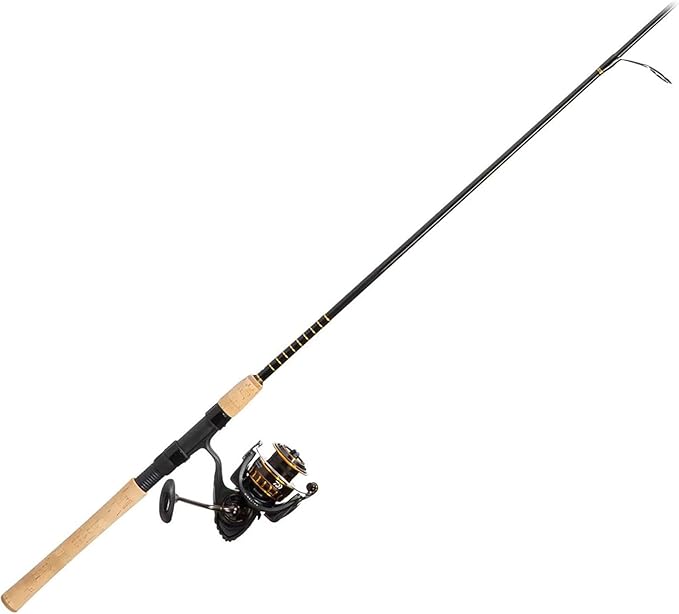
Daiwa BG Spinning Combo
- Freshwater Fishing: If you intend to fish in lakes, rivers, or streams, you will need a Freshwater Fishing License. This license allows you to target species such as bass, catfish, and panfish.
- Saltwater Fishing: For those planning to fish in coastal waters or the Gulf of Mexico, a Saltwater Fishing License is required. This license covers species such as snapper, grouper, and tarpon.
- Combination License: If you enjoy both freshwater and saltwater fishing, consider a Combination Fishing License. This option provides flexibility and access to both types of fishing environments.
- Specialty Licenses: Certain activities, such as spearfishing or commercial fishing, may require additional permits. Always check the specific requirements for your planned fishing activities.
Understanding these distinctions will help ensure you select the appropriate license for your fishing adventures.
Step 2 - Gather Required Documents
To obtain your fishing license, you will need to provide specific documents. Having these ready will streamline the application process:
- Valid ID: A Florida driver’s license or state ID is necessary to verify your identity.
- Proof of Residency: If you are a Florida resident, you may need to provide documentation such as a utility bill or lease agreement to confirm your residency status.
- Social Security Number: Florida requires your Social Security Number for identification purposes. If you are a non-resident and do not have a Social Security Number, you may need to provide an alternative form of identification.
Step 3 - Apply Online or In-Person
You can apply for your fishing license through several convenient channels, making it easy to get started on your fishing journey:
- Online: Visit GoOutdoorsFlorida.com to apply and pay for your license online. This method is quick and allows you to receive your license immediately.
- In-Person: You can purchase a license at county tax collector's offices or authorized retailers. This option is ideal if you prefer face-to-face interaction or have questions about the licensing process.
- By Phone: Call 888-FISH-FLORIDA (888-347-4356) to obtain your license over the phone. This is a convenient option if you want assistance while applying.
- Mobile App: The Fish|Hunt FL App, available for both Apple and Android devices, allows you to purchase and manage your fishing license on the go. This app also provides valuable information about fishing regulations, harvest reporting, and more.
Step 4 - Payment Options and Fees
The costs associated with fishing licenses vary based on the type and duration. Here’s a breakdown of typical fees:
| License Type | Resident Price | Non-Resident Price |
|---|---|---|
| Annual Freshwater License | $17.00 | $47.00 |
| Annual Saltwater License | $17.00 | $47.00 |
| Combination License (Freshwater + Saltwater) | $32.50 | N/A |
| 3-Day Freshwater License | N/A | $17.00 |
| 7-Day Freshwater License | N/A | $30.00 |
| Lifetime Fishing License (varies by age) | $126.50-$1,001.50 | N/A |
Be aware that additional processing fees may apply, and all license fees are non-refundable. For the most current pricing and detailed information, refer to the FWC License Fees page.
Additional Considerations
- Free Fishing Days: Florida offers designated free fishing days when residents and visitors can fish without a license. These days typically occur on the first consecutive Saturday and Sunday in April and the second consecutive Saturday and Sunday in June for freshwater fishing, and on the first consecutive Saturday and Sunday in June, the first Saturday in September, and the Saturday following Thanksgiving for saltwater fishing. However, all other fishing regulations still apply.
- Lifetime Licenses: For those who fish frequently, a lifetime fishing license can be a cost-effective option. This license is available to Florida residents and provides the benefit of never having to renew again. It is valid for life and can save money in the long run.
- Exemptions: Certain individuals are exempt from needing a fishing license, including:
- Children under 16 years of age.
- Florida residents aged 65 and older (with proof of age and residency).
- Individuals fishing with natural bait in their home county for non-commercial purposes.
Understanding these aspects of Florida’s fishing license system will help you navigate the process more effectively and enjoy your fishing experience to the fullest. For further details on fishing regulations and requirements, visit the Florida Fish and Wildlife Conservation Commission.
Do I need a license for catch and release?
Yes, even if you plan to catch and release fish, you are required to have a valid fishing license in Florida.
What happens if I fish without a license?
Fishing without a valid license can result in fines and penalties. It's essential to ensure you have the appropriate license to avoid legal issues.