
Fishing in Florida is a cherished activity for both locals and visitors, thanks to the state’s diverse aquatic environments. However, before you grab your rod and reel, it’s essential to understand the regulations regarding fishing licenses. This guide will clarify whether you need a fishing license in Florida, the types available, and how to obtain one. By the end, you’ll be prepared to enjoy your fishing adventure legally and responsibly.
Understanding Fishing License Requirements in Florida
Who Needs a Fishing License?
In Florida, fishing licenses are mandatory for most anglers. Here’s a detailed breakdown of the requirements:
- Residents: All residents aged 16 to 65 are required to have a fishing license to fish in both freshwater and saltwater. This requirement is crucial in maintaining sustainable fish populations and ensuring responsible fishing practices.
- Non-Residents: Anyone over 16 who is not a Florida resident must also obtain a fishing license. This includes tourists and out-of-state visitors who wish to partake in Florida's renowned fishing opportunities.
- Exemptions: Certain individuals are exempt from needing a fishing license, including:
- Children under 16: Young anglers can fish without a license, encouraging families to engage in fishing activities together.
- Seniors aged 65 and older: While they are exempt from the license requirement, seniors must register to fish. This exemption recognizes the contributions of older residents to the fishing community.
- Active-duty military personnel stationed in Florida: This exemption supports those serving in the military, allowing them to enjoy recreational fishing without the burden of licensing fees.
For more information on exemptions, visit the Florida Fish and Wildlife Conservation Commission (FWC) website. Understanding these requirements is essential for compliance and helps support conservation efforts in the state.
Types of Fishing Licenses Available
Florida offers several types of fishing licenses tailored to different needs, ensuring that all anglers can find a suitable option:
- Freshwater Fishing License: Required for fishing in freshwater bodies like lakes and rivers. This license allows anglers to pursue species such as bass, catfish, and panfish.
- Saltwater Fishing License: Necessary for fishing in the ocean and saltwater areas. This license covers a wide variety of species, including snapper, grouper, and tarpon.
- Combination License: This allows anglers to fish in both freshwater and saltwater, making it a convenient option for those who enjoy diverse fishing experiences.
- Short-Term Licenses: For those planning to fish temporarily, Florida offers 3-day and 7-day licenses for non-residents. This flexibility caters to tourists and occasional anglers.
- Special Licenses: Certain activities, such as lobster harvesting or spearfishing, may require additional permits. For example, if you plan to catch lobsters during the season, you must obtain a Lobster Permit in addition to your fishing license.
For a comprehensive overview of fishing licenses, check the Go Outdoors Florida site, which provides detailed information on types, costs, and application processes.
Importance of Fishing Licenses
Fishing licenses are not just regulatory requirements; they play a vital role in conservation and sustainable fishing practices. Here are some key points highlighting their importance:
- Conservation Funding: License fees contribute significantly to conservation efforts, including habitat restoration, fish stocking programs, and pollution control initiatives. According to the Tackle Warehouse, these funds are essential for maintaining healthy fish populations and ecosystems.
- Regulation and Management: Fishing licenses help manage the number of anglers on the water, preventing overfishing and ensuring that fish populations remain sustainable. This regulation is crucial for maintaining the ecological balance in Florida's diverse aquatic environments.
- Education and Outreach: Funds from fishing licenses support educational programs that teach responsible fishing practices, species identification, and conservation ethics. These initiatives are vital for fostering a new generation of anglers who respect and protect natural resources.
- Legal Compliance: Holding a valid fishing license helps anglers avoid penalties. Fines for fishing without a license can be substantial, and having a license provides peace of mind while enjoying fishing activities.
How to Obtain a Fishing License
Step 1: Determine the Type of License You Need
Before applying, assess the type of fishing you plan to do and whether you qualify for any exemptions. Understanding the specific requirements for freshwater versus saltwater fishing is crucial, as regulations can differ significantly.
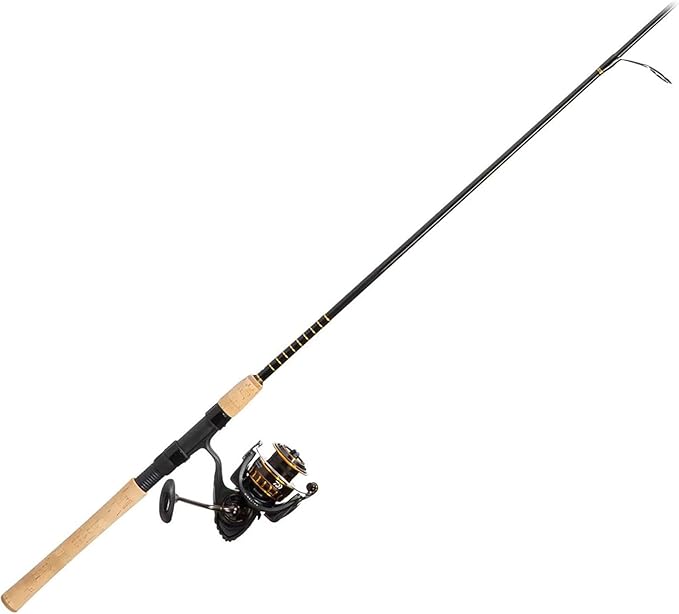
Daiwa BG Spinning Combo
Step 2: Gather Required Documents
To apply for a fishing license, you will need:
- Proof of residency (for residents)
- Identification (such as a driver’s license)
- Payment for the license fee
Having these documents ready will streamline the application process.
Step 3: Apply Online or In-Person
You can obtain your fishing license through several methods:
- Online: Visit the FWC website to apply and pay for your license. The online process is user-friendly and allows you to print your license immediately.
- In-Person: Licenses can also be purchased at various retail locations, including sporting goods stores, bait shops, and tax collector's offices. This option allows for personal interaction and advice from local experts.
- By Phone: Call 888-FISH-FLORIDA (888-347-4356) for assistance with obtaining your license.
Costs of Fishing Licenses in Florida
The cost of a fishing license varies based on residency and the type of license:
- Resident Freshwater License: Approximately $17 for an annual license.
- Resident Saltwater License: Similar pricing, around $17 annually.
- Non-Resident Licenses: Prices range from $30 for a 7-day saltwater license to $47 for an annual saltwater license.
- Senior Licenses: Free for residents aged 65 and older, but registration is required.
For detailed pricing information, refer to the FWC Licenses and Permits page.
Summary of Key Points
- Licenses are essential for maintaining sustainable fishing practices and protecting aquatic ecosystems.
- Exemptions exist for certain groups, including children, seniors, and active military personnel.
- Multiple types of licenses cater to different fishing needs, including freshwater, saltwater, and combination licenses.
- Obtaining a license is straightforward, with options to apply online, in-person, or by phone.
By understanding these requirements and the importance of fishing licenses, anglers can enjoy their time on the water while contributing to the conservation of Florida’s rich aquatic resources. For further details, always refer to the official FWC website for the most current information and updates on fishing regulations in Florida.
Do I Need a License to Fish from a Pier?
Yes, a fishing license is required to fish from a pier in Florida unless you are exempt (e.g., under 16 years old).
Are There Free Fishing Days?
Florida designates specific days each year as free fishing days, allowing residents and non-residents to fish without a license. Check the FWC website for dates.
What Happens If I Fish Without a License?
Fishing without a license can result in fines, which can vary based on the offense. Fines typically start at $50 but can increase for repeat offenders.
Can I Fish in Florida with a License from Another State?
No, fishing licenses are not interchangeable between states. You must obtain a Florida fishing license to fish legally in Florida waters.