
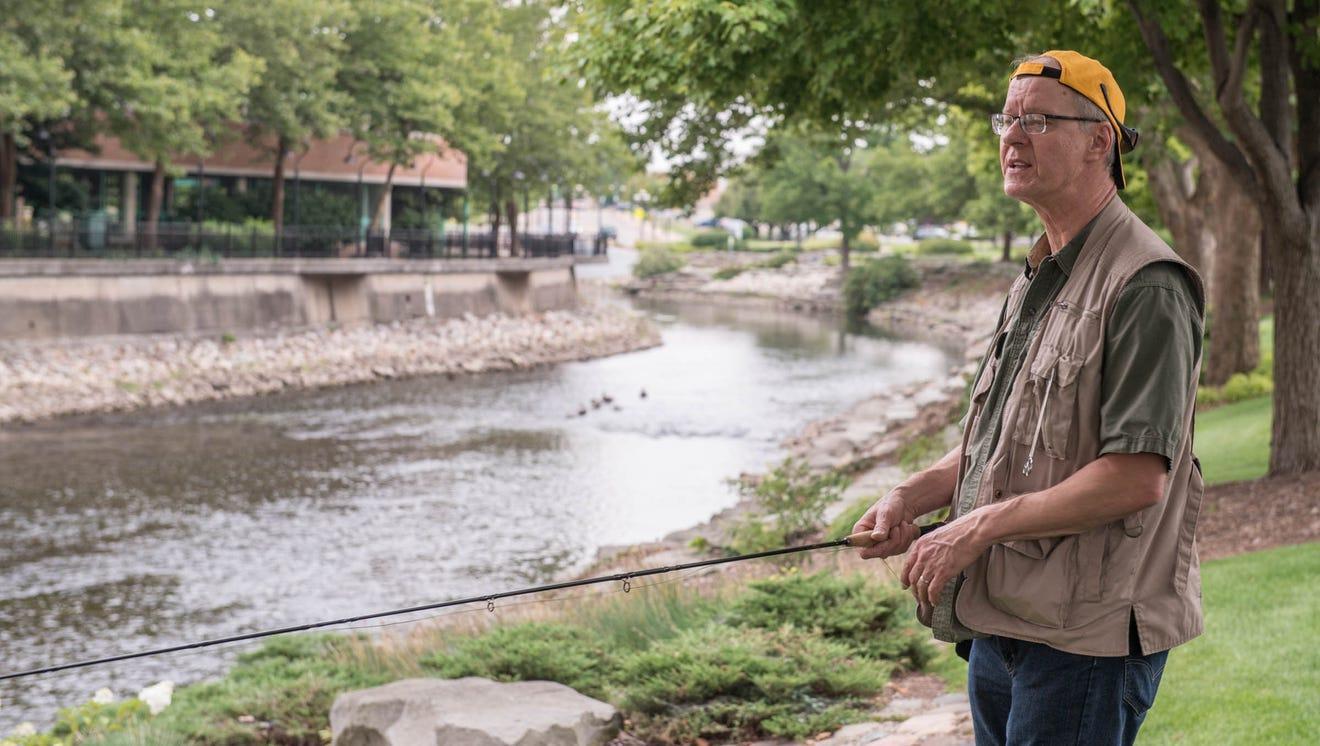
Understanding USFS Fishing Regulations
The United States Forest Service manages 193 million acres of public lands, including numerous lakes, rivers, and streams that offer excellent fishing opportunities. However, fishing in these areas requires adherence to specific regulations and licensing requirements.
General Licensing Requirements
Most USFS parks require anglers to possess a valid state fishing license. Unlike national parks, which may have their own licensing systems, USFS parks typically follow state regulations for the area in which they’re located. This means that the license you need will depend on the state where you’re fishing, not on the fact that you’re in a USFS park specifically.
Age Restrictions and Exemptions
Age requirements for fishing licenses vary by state. Many states offer free or reduced-cost licenses for seniors and children. Some common exemptions include:
- Children under a certain age (often 16 or younger)
- Senior citizens (usually 65 or older)
- Disabled veterans or individuals with certain disabilities
Always check the specific regulations for the state where you’ll be fishing, as these exemptions can differ.
Obtaining a Fishing License
Where to Purchase
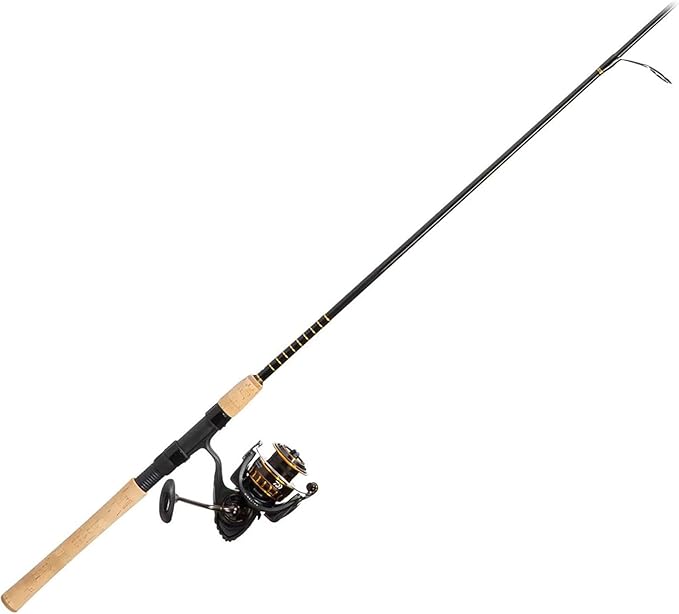
Daiwa BG Spinning Combo
Fishing licenses can typically be obtained through several channels:
- Online through the state's fish and wildlife department website
- At local sporting goods stores or bait shops
- At some USFS ranger stations or visitor centers
Types of Licenses Available
Most states offer a variety of license options to suit different needs:
- Single-day licenses
- Multi-day licenses (e.g., 3-day, 7-day)
- Annual licenses
- Non-resident licenses for out-of-state visitors
Cost Considerations
License fees vary widely depending on the state, type of license, and residency status. Non-resident licenses are typically more expensive than resident licenses. Some states also offer combination licenses that include both fishing and hunting privileges.
Special Permits and Regulations
Species-Specific Permits
Some USFS parks may require additional permits for fishing certain species or in specific areas. For example:
- Trout stamps for fishing in designated trout waters
- Salmon/steelhead permits in Pacific Northwest states
- Special permits for fishing in wilderness areas
Catch and Release Regulations
Many USFS parks have catch and release regulations in place to protect fish populations. These rules may apply to specific species, sizes of fish, or entire water bodies. Always check local regulations before keeping any fish.
Seasonal Restrictions
Fishing seasons can vary by species and location. Some waters may be closed to fishing during certain times of the year to protect spawning fish or sensitive habitats.
Conservation and Ethical Angling
Leave No Trace Principles
When fishing in USFS parks, it’s essential to follow Leave No Trace principles:
- Pack out all trash, including fishing line and bait containers
- Use existing trails and campsites
- Respect wildlife and keep a safe distance
Invasive Species Prevention
To prevent the spread of invasive species:
- Clean your boat and fishing gear thoroughly between water bodies
- Never release live bait into the water
- Use artificial lures when possible to reduce the risk of introducing non-native species
Planning Your USFS Fishing Trip
Research Your Destination
Before your trip:
- Identify the specific USFS park you'll be visiting
- Check the state's fishing regulations for that area
- Review any special rules or permits required for the park
Gear and Safety Considerations
- Ensure you have appropriate fishing gear for the species you're targeting
- Bring safety equipment such as life jackets if fishing from a boat
- Pack first aid supplies and emergency communication devices
Responsible Fishing Practices
- Use barbless hooks to minimize damage to fish
- Wet your hands before handling fish to protect their protective slime coating
- Quickly release fish you don't intend to keep