
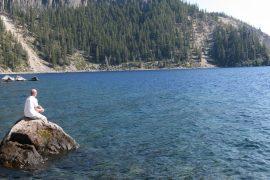
The Fascinating History of Fish in Crater Lake
Believe it or not, Crater Lake was once devoid of fish. It wasn’t until 1888 that the lake’s founder, William Steel, introduced the first fish in an effort to enhance the area’s recreational value. From 1888 to 1941, approximately 1.8 million fish from six different species were stocked in the lake, including rainbow trout, kokanee salmon, and silver salmon.
Today, only two of those species thrive in Crater Lake’s pristine waters: kokanee salmon and rainbow trout. What’s even more remarkable is that these fish populations are now self-sustaining. The last official stocking occurred in 1941, and since then, the kokanee salmon and rainbow trout have adapted to the lake’s unique ecosystem. When you cast your line in Crater Lake, you’re not only enjoying a recreational activity but also participating in a remarkable story of ecological resilience.
However, to maintain the lake’s pristine condition, there are a few important rules to follow:
- Only artificial bait and lures are allowed. The use of organic bait, such as PowerBait or salmon eggs, is strictly prohibited to prevent the introduction of non-native species.
- No private boats or flotation devices are permitted on the lake. This measure helps protect the water’s purity and ensures a serene fishing experience for all.
- Fish cleaning is not allowed in the lake. Anglers must clean their catch away from the water to maintain the lake’s cleanliness.
- Fishing is prohibited within 200 feet of boat docks and in Sun Creek and Lost Creek. These areas are protected to preserve the habitat of the native bull trout.
By following these simple guidelines, you can enjoy an unforgettable fishing adventure while helping to conserve Crater Lake’s delicate ecosystem. The National Park Service actively monitors the lake to ensure the regulations are followed and the fish populations remain healthy.
Accessing the Best Fishing Spots
To reach the prime fishing locations at Crater Lake, you’ll need to put on your hiking boots. The Cleetwood Cove Trail is the only way to access the lake’s shoreline, and it’s a steep 1.1-mile trek with a 700-foot elevation change. But trust us, the breathtaking views and the chance to fish in this majestic setting are well worth the effort.
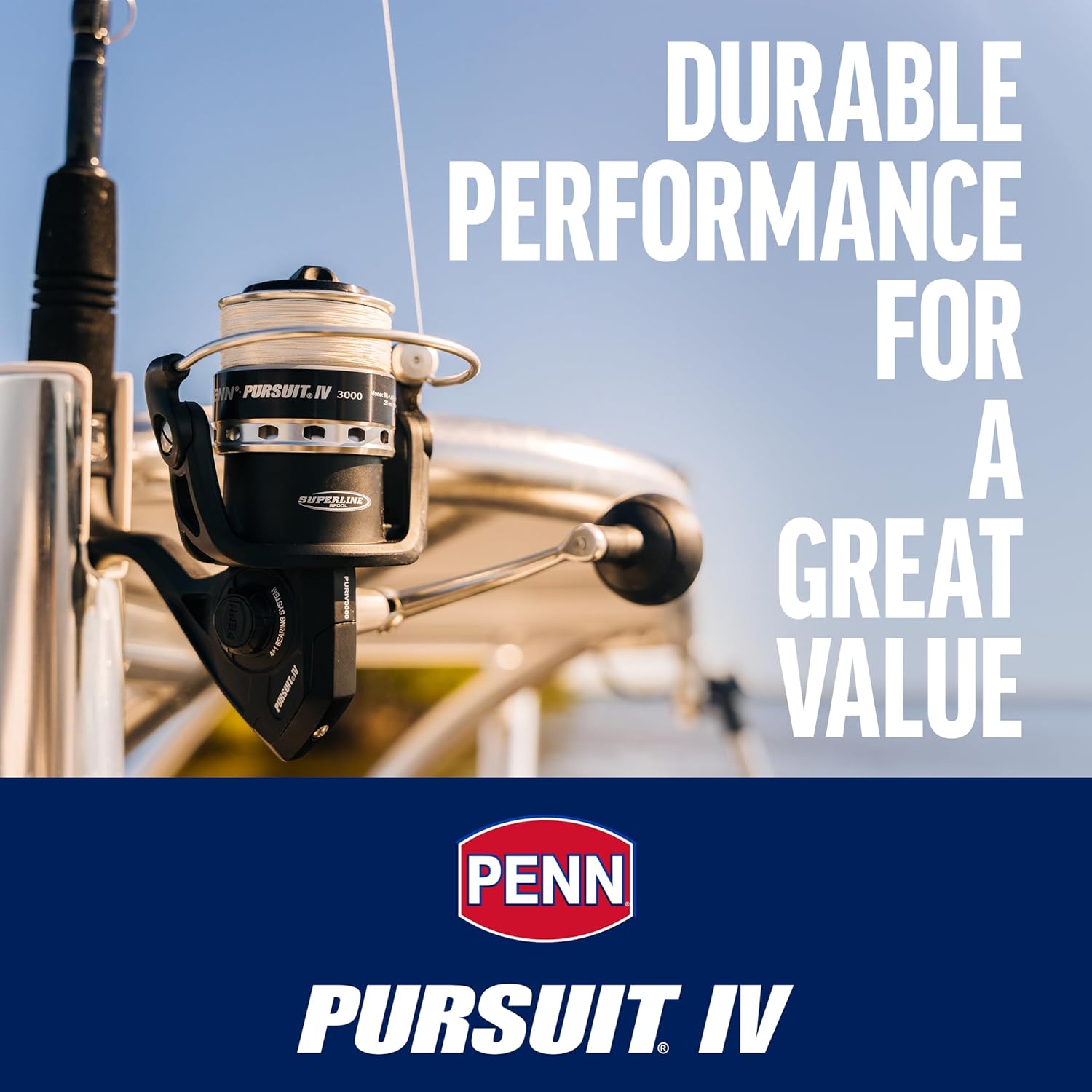
Penn Pursuit IV Spinning Combo
At the end of the trail, you’ll find approximately 0.25 miles of rocky shoreline where you can cast your line. This area provides ample space for anglers to spread out and try their luck. The best time to fish from the shore is early morning or late evening when the fish are most active.
If you visit during the summer months when boat tours are operating, you can also fish from the shore and docks of Wizard Island. This volcanic cinder cone island adds an extra layer of adventure to your fishing experience. The boat tours typically run from early July to mid-September, weather permitting. Fishing from the island provides access to deeper waters where the larger rainbow trout often lurk.
While many of the park’s streams contain fish, they are generally inaccessible due to the steep terrain. It’s important to note that Sun Creek and Lost Creek are closed to fishing to protect the native bull trout population.
The Prized Catch: Kokanee Salmon and Rainbow Trout
Crater Lake is home to two main fish species: kokanee salmon and rainbow trout. Kokanee salmon are the most abundant, with a population estimated in the hundreds of thousands. These landlocked sockeye salmon average around 8 inches in length, but some can grow up to an impressive 18 inches. Kokanee primarily feed on zooplankton and small insects, making them a fun and accessible target for anglers.
On the other hand, rainbow trout are less numerous but typically larger than their kokanee counterparts. Averaging between 10 and 14 inches, these beautiful fish can sometimes reach lengths of up to 26 inches and weigh as much as 6.5 pounds. Rainbow trout feed on large insects and prey along the lake shore, providing an exciting challenge for fly fishing enthusiasts.
What’s remarkable about these two species is that their populations have remained stable despite sharing the same habitat. Researchers believe this is due to their different food preferences, with kokanee focusing on zooplankton and rainbow trout targeting aquatic insects. This natural balance allows both species to thrive in Crater Lake’s unique ecosystem.
Given the lake’s high elevation and cold water temperatures, it’s crucial to pack quality waders with felt soles, even during the summer months. Felt soles provide better traction on slippery surfaces and help preserve the delicate stream and river beds. Chest waders are recommended for the best protection against the chilly water.
Another important consideration is insect protection. Crater Lake’s pristine environment is a breeding ground for both flies and mosquitoes. In the spring, mosquito populations can be particularly heavy, so be sure to bring strong insect repellent to keep these pesky bugs at bay.
When it comes to fly patterns, some proven winners include:
- Stoneflies in orange, black, or brown (#4, 6)
- Leeches in purple or black
- Egg patterns in pink or orange (#10-4)
- Woolly buggers in olive, brown, or black (#6, 8, 10)
- Hoppers in tan, yellow, or red (#10, 12, 14)
Planning Your Trip: Best Times to Visit and Lodging Options
The best time to fish at Crater Lake is from late spring through early fall. The park is open year-round, but many facilities and roads are closed during the winter due to heavy snowfall. The Cleetwood Cove Trail typically opens in mid-June and closes in late October, depending on weather conditions.
If you’re planning a multi-day fishing trip, there are several lodging options available within the park. The historic Crater Lake Lodge, built in 1915, offers rustic charm and stunning views of the lake. For a more budget-friendly option, the Mazama Campground has over 200 tent and RV sites nestled in an old-growth forest.
For those who prefer a backcountry experience, there are also several primitive campsites along the Pacific Crest Trail that winds through the park. These sites require a permit and are best suited for experienced backpackers.
Regardless of where you stay, be sure to make reservations well in advance, especially during peak summer months. Crater Lake is a popular destination, and accommodations can fill up quickly.
Frequently Asked Questions
Q: Do I need a fishing license to fish at Crater Lake? A: No, you do not need a fishing license to fish at Crater Lake National Park.
Q: Are there any catch limits at Crater Lake? A: There are no catch limits at Crater Lake. You can keep as many fish as you’d like.
Q: Can I use live bait at Crater Lake? A: No, only artificial lures and flies are allowed at Crater Lake to prevent the introduction of non-native species.
Q: Are boats allowed on Crater Lake? A: Private boats and flotation devices are not permitted on Crater Lake. However, you can fish from the shore or take a park-operated boat tour to Wizard Island during the summer months.
Q: What are the best times to fish at Crater Lake? A: The best times to fish are early morning and late evening when the fish are most active. The fishing season typically runs from late spring through early fall.