
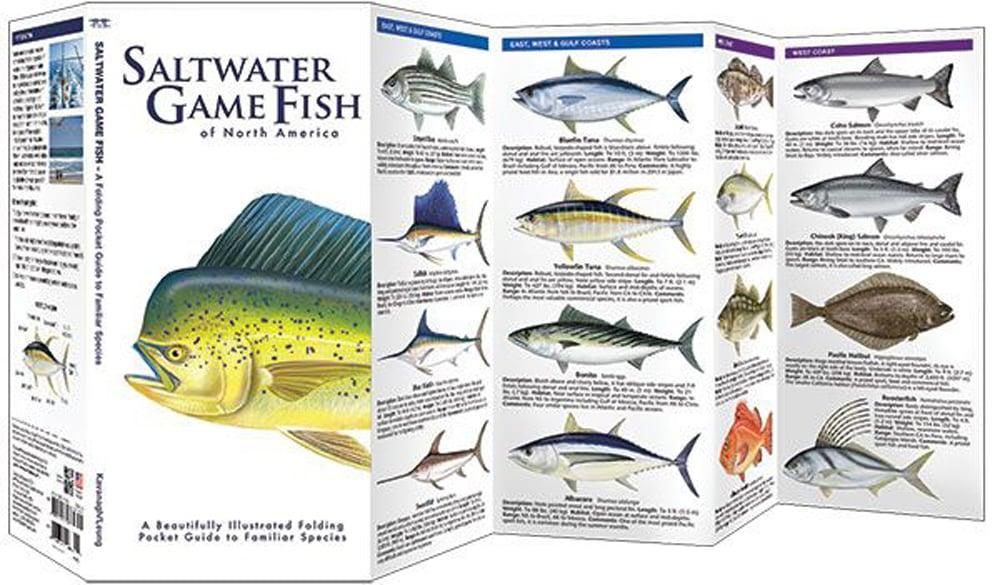
Understanding State-Specific Fishing Licenses
Each state in the U.S. has its own fishing license requirements. Generally, a fishing license obtained in one state is not valid in another, meaning anglers must secure separate licenses for each state they plan to fish in.
- Who Needs a License? Both residents and non-residents typically need a fishing license.
- Fees Vary: License fees differ by state and can also vary depending on whether you’re fishing in freshwater or saltwater.
For detailed information on specific state requirements, visit FishingLicense.org.
How to Obtain a Fishing License
Thanks to advancements in technology, acquiring a fishing license has never been easier. Most states now offer online platforms for purchasing licenses, allowing you to secure your permits before hitting the water.
- Where to Buy: Licenses can also be obtained at government offices, sporting goods stores, and other authorized vendors.
- Exemptions Available: Be sure to check each state's specific requirements, as many offer exemptions or discounts for groups such as minors, seniors, veterans, and individuals with disabilities. For more information on exemptions, visit your state's wildlife agency website.
The Importance of Reciprocity Agreements
To simplify multi-state fishing adventures, several states have established reciprocity agreements. These agreements allow anglers to fish in neighboring states without needing additional licenses.
Examples of Reciprocity Agreements
- New England States: Connecticut, Massachusetts, Rhode Island, and New York permit fishing in marine waters with a valid license from any of these states.
- Texas and Louisiana: Anglers holding a valid fishing license from either state can fish in shared border waters without an additional license.
- Tennessee and Neighbors: Tennessee has agreements with Alabama, Mississippi, Arkansas, Missouri, North Carolina, and Kentucky for certain shared waters.
Familiarizing yourself with these agreements is crucial as they may have specific limitations regarding covered bodies of water or additional requirements. For more details on reciprocity agreements by state, check out TakeMeFishing.org.
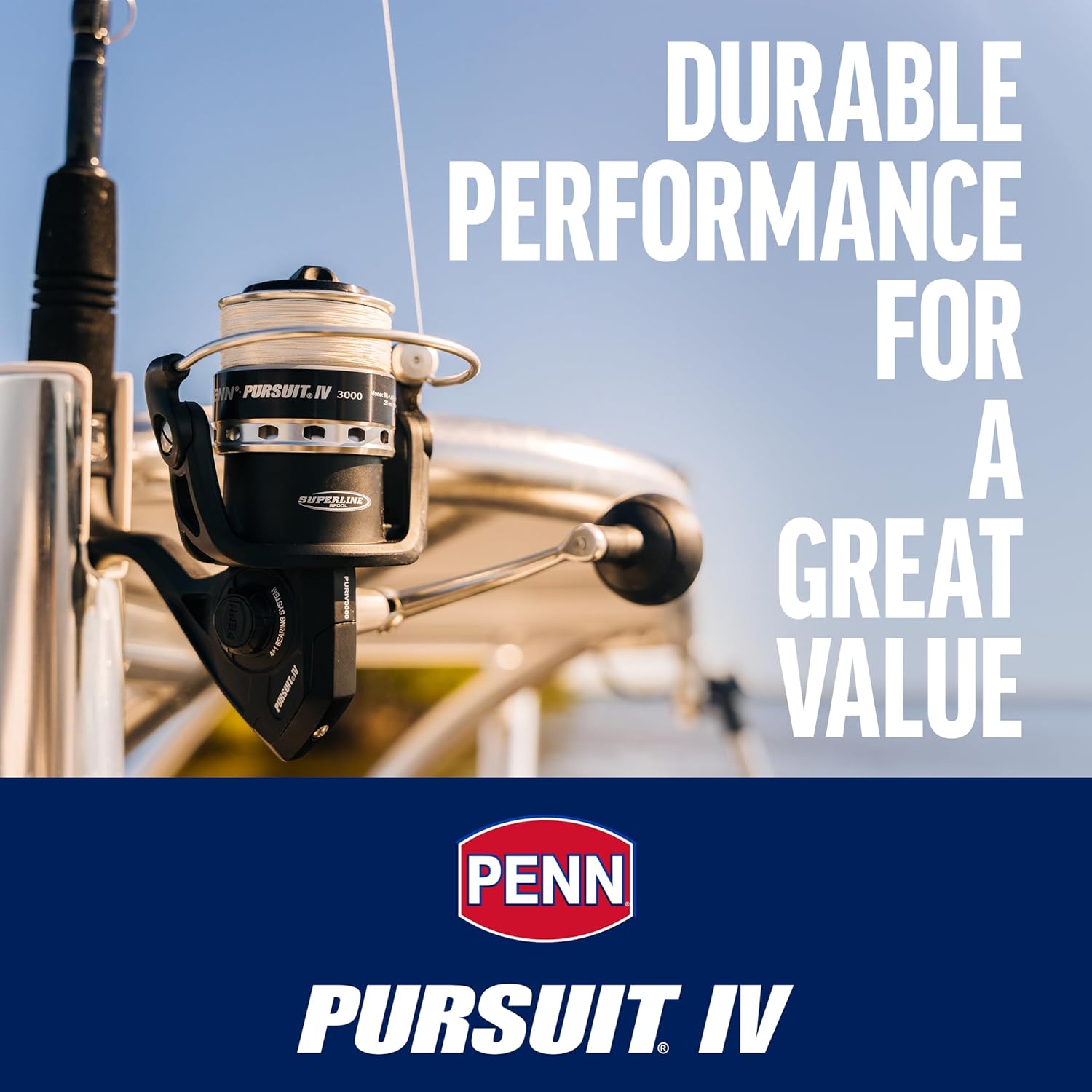
Penn Pursuit IV Spinning Combo
Lifetime Fishing Licenses: A Smart Investment
For passionate anglers who fish regularly, a lifetime fishing license can be an excellent investment. While the upfront cost may be higher than annual licenses, it offers long-term savings and convenience while also contributing to conservation efforts.
Benefits of a Lifetime Fishing License
- Cost Savings: Over time, a lifetime license often proves more economical compared to purchasing annual licenses.
- Convenience: Eliminate the hassle of yearly renewals.
- Support Conservation: Funds from lifetime licenses typically support wildlife and habitat conservation initiatives.
Costs and Eligibility
The price of lifetime fishing licenses varies widely by state and age group. For instance:
- In Florida:
- $301.50 for ages 13 and older
- $226.50 for ages 5-12
- $126.50 for ages 4 and younger
- In California:
- Ranges from $679.75 for ages 62+ to $1,112 for ages 10-39.
Most states require you to be a resident to purchase a lifetime license; however, some allow non-residents under specific conditions. The application process generally involves providing proof of residency and age. For more information on lifetime licenses by state, visit Wildlife.ca.gov.
The Impact on the Fishing Industry and Conservation Efforts
Fishing license fees are vital for funding state conservation programs, fisheries management, habitat protection, and educational initiatives about responsible fishing practices.
Revenue Stability
Lifetime licenses ensure a consistent revenue stream for state wildlife agencies that can be allocated towards long-term conservation projects—essential for effective planning and implementation.
Encouraging Participation
By removing the annual renewal requirement, lifetime licenses can foster greater participation in recreational fishing. A more engaged angling community benefits both the industry and conservation efforts.