
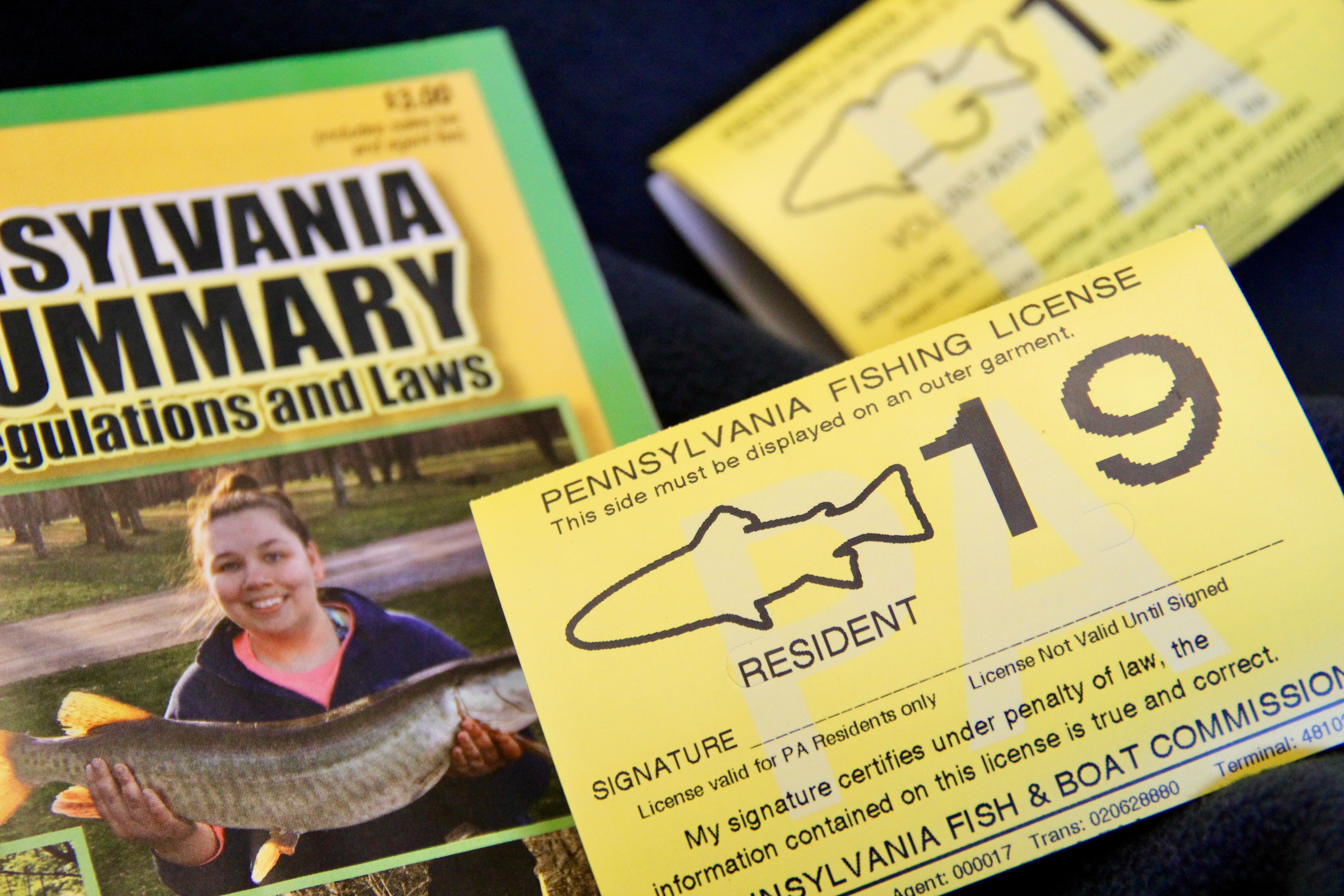
Key Takeaways
- Many states now offer digital fishing licenses that can be purchased and stored on your smartphone, but acceptance varies by state
- Digital license regulations differ from state to state - some fully accept digital versions, while others may require printed copies for certain activities
- Photos of fishing licenses are generally not accepted as valid proof
- Always check the most current fishing license requirements directly with your state wildlife agency to ensure compliance
- When in doubt, print out a physical copy of your license to keep on you while fishing
- Carry a photo ID along with your digital license for verification purposes
- Understand which activities, such as hunting or harvesting certain species, may require physical tags and printed licenses
The Shift Towards Digital Fishing Licenses
In the past, obtaining a fishing license typically involved visiting a local tackle shop, outdoor retailer, or state wildlife agency office to purchase a physical, printed license. However, many states have now embraced the digital age by offering the option to purchase and store fishing licenses directly on your smartphone.
The benefits of digital licenses are numerous:
- Convenience: With a digital license, you always have your license with you as long as you have your phone. No more worrying about forgetting your printed license at home!
- Quick purchase: Need a license for a last-minute fishing trip? No problem! You can often purchase a digital license online right from your phone, even if you’re already at the lake or river.
- Eco-friendly: By opting for a digital license, you’re helping reduce paper waste and minimizing your environmental impact.
However, it’s important to note that regulations surrounding digital licenses can vary significantly from state to state. While some states fully embrace digital licenses, others may have more stringent requirements or not accept them at all. Let’s take a closer look at some state-specific examples.
State-by-State License Printing Requirements
Texas
In Texas, anglers can take advantage of the My Texas Hunt Harvest mobile app to view and store their digital fishing licenses. This app also supports digital tagging for harvested oversized red drum, making it a convenient all-in-one tool for Texas anglers. However, it’s important to note that for activities requiring physical tags, such as deer and turkey hunting, printed licenses are still necessary.
Florida
Florida anglers have the option to purchase and store their fishing licenses using the Fish Hunt Florida mobile app. Wildlife officers in the state accept digital licenses as proof of a valid license, making it easy for anglers to always have their license on hand.
California
The California Department of Fish and Wildlife offers an online license system where anglers can purchase and store their fishing licenses digitally. However, it’s unclear whether digital-only licenses are accepted in all situations, so it’s advisable to print a copy of your license to be on the safe side when fishing in California.
New Hampshire
In New Hampshire, digital fishing licenses stored on your smartphone are accepted by wildlife officers. Printed licenses are only required for activities that involve physical tags, such as hunting.
Penn Battle III Surf Spinning Combo
As you can see, the acceptance of digital licenses varies quite a bit from state to state. To ensure you’re always in compliance, it’s best to check directly with your state’s wildlife agency for the most up-to-date information on digital license requirements.
What About Just Taking a Photo of Your License?
Some anglers might think that simply taking a photo of their printed fishing license and storing it on their phone would be sufficient proof of a valid license. However, many states do not accept photos of licenses as valid proof.
There are a few reasons for this:
- Photos can be easily altered or fabricated, making it difficult for wildlife officers to verify their authenticity.
- Photos may not capture all the necessary information or details required on a valid license.
- Officers may not have the means to scan or verify a license from just a photo.
To be safe, it’s always best to either have a physical printed copy of your license or an official digital license provided through your state’s authorized app or online system.
How to Ensure You Are Complying with Regulations
Now that we’ve covered the various digital license options and requirements, let’s discuss some practical tips for ensuring you’re always in compliance with your state’s fishing regulations:
- Check state requirements: Before you head out on your fishing trip, always check the specific fishing license requirements for your state. Regulations can change from year to year, so it’s crucial to have the most current information.
- Confirm digital license acceptance: If you plan to use a digital license, confirm with your state wildlife agency that they are accepted and clarify what format they need to be in (e.g., official app, PDF, etc.).
- Print a copy when in doubt: If you’re unsure about digital license acceptance or just want to be extra cautious, print out a physical copy of your license to keep on you while fishing. It’s better to be safe than sorry!
- Carry a photo ID: Even if you have a digital license, always carry a valid photo ID with you while fishing. Wildlife officers may need to verify your identity to confirm that the license belongs to you.
- Know tag requirements: For activities that require physical tags, such as hunting certain game species or harvesting particular fish, make sure you understand the tagging requirements and have printed licenses or tags as needed.
By following these guidelines, you can ensure that you’re always in compliance with your state’s fishing regulations, whether you choose to use a digital or printed license.