
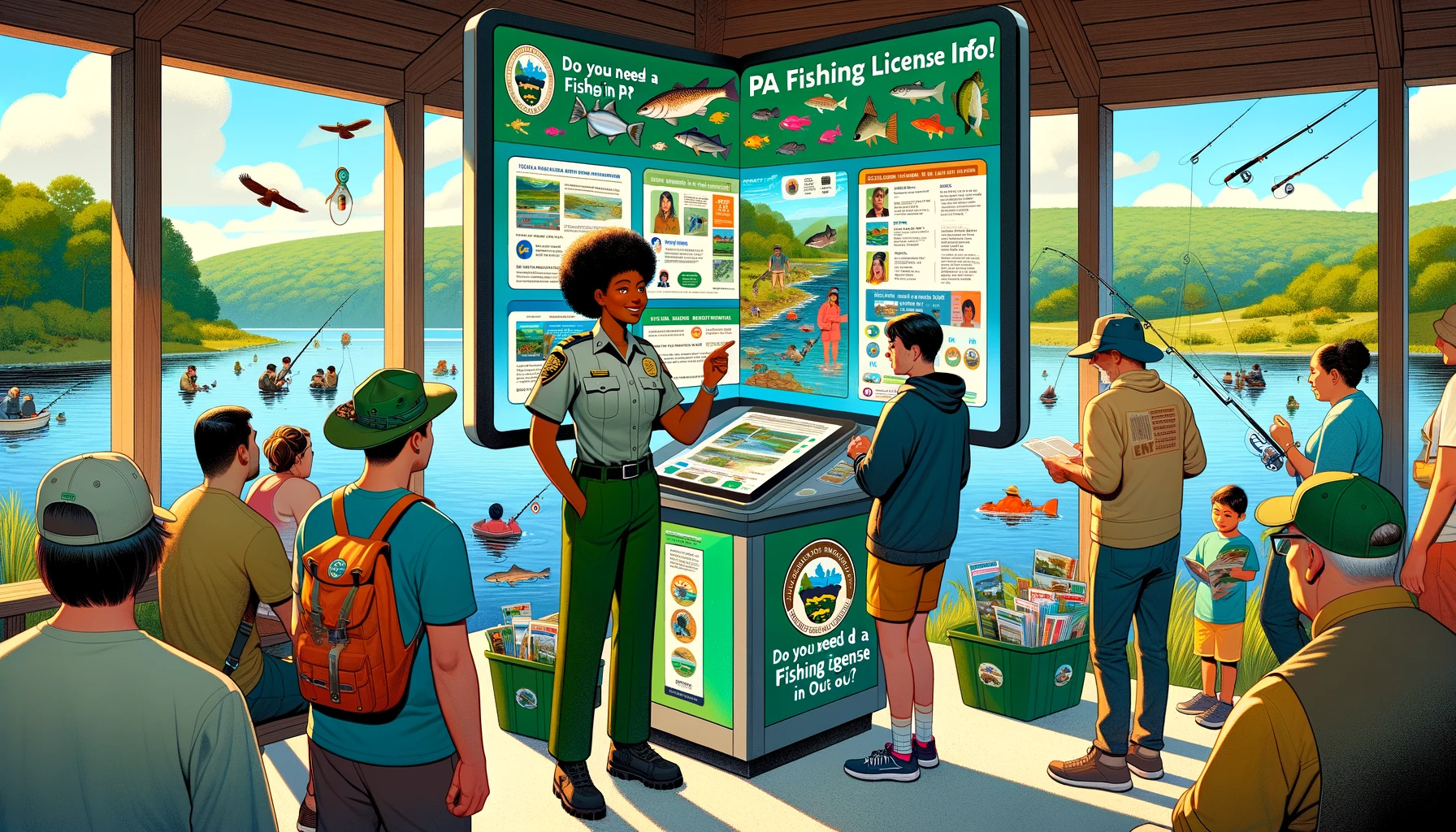
Yes, you need a fishing license in Pennsylvania if you’re 16 years or older. This requirement applies to all fishing activities in the state’s waters, including lakes, rivers, and streams. Licenses are essential not just for legal compliance but also for supporting crucial conservation efforts throughout Pennsylvania.
Understanding PA Fishing License Requirements
Pennsylvania’s fishing license system is designed to balance recreational opportunities with environmental stewardship. Here’s what you need to know:
Who Needs a License?
- Age Requirement: All anglers 16 years and older must have a valid fishing license.
- Residency Status: Both residents and non-residents require licenses, though fees differ.
- Special Permits: Additional permits may be needed for specific activities like trout fishing or fishing in Lake Erie.
Types of Licenses Available
Pennsylvania offers a variety of fishing licenses to suit different needs:
- Annual Licenses: Valid from December 1 through December 31 of the following year.
- Multi-Year Options: Available for 3, 5, or 10 years, offering convenience and potential savings.
- Short-Term Licenses: 1-day, 3-day, and 7-day options for occasional anglers or visitors.
- Senior Lifetime Licenses: Available for Pennsylvania residents 65 and older.
2024 License Fees
As of 2024, fishing license fees in Pennsylvania have seen a slight increase. Here are the updated costs:
- Resident Annual License: $27.97 (up from $25.47 in 2023)
- Senior Resident Annual: $14.47
- Non-Resident Annual: $60.97
- Trout Permit: $14.97 (required in addition to the general fishing license for trout fishing)
Note: Prices may vary slightly depending on where you purchase your license due to additional processing fees.
The Impact of Your Fishing License Purchase
When you buy a fishing license in Pennsylvania, you’re doing more than gaining legal access to the state’s waterways. Your purchase directly supports vital conservation efforts:
1. Habitat Improvement
License fees fund projects that enhance fish habitats across Pennsylvania. These initiatives include:
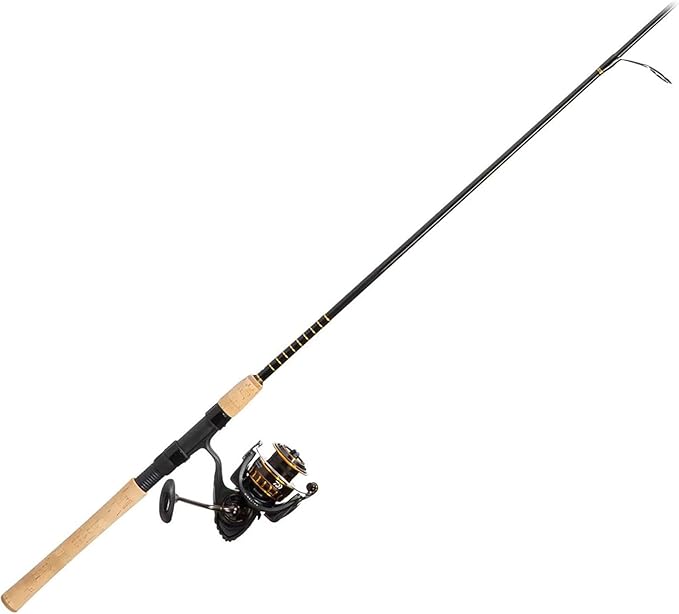
Daiwa BG Spinning Combo
- Stream bank stabilization to reduce erosion
- Installation of fish habitat structures in lakes and rivers
- Restoration of native aquatic vegetation
2. Water Quality Protection
A portion of license revenue goes towards monitoring and improving water quality in Pennsylvania’s fishing waters. This includes:
- Regular water quality testing
- Pollution mitigation efforts
- Watershed protection initiatives
3. Fish Stocking Programs
Your license fees help maintain healthy fish populations through:
- Hatchery operations for raising fish
- Stocking programs to replenish fish in popular fishing spots
- Research on fish population dynamics and health
4. Invasive Species Management
Funds are allocated to combat aquatic invasive species that threaten native ecosystems:
- Monitoring and early detection programs
- Removal efforts for established invasive species
- Public education on preventing the spread of invasives
5. Education and Outreach
License revenue supports programs that introduce new anglers to the sport and promote responsible fishing practices:
- Free fishing days and youth fishing programs
- Educational materials on fishing techniques and conservation
- Training for volunteer instructors
How to Purchase Your PA Fishing License
Obtaining your Pennsylvania fishing license is easier than ever. Here are your options:
- Online: Visit the Pennsylvania Fish and Boat Commission's HuntFishPA portal for instant purchase and digital download.
- Mobile App: Use the FishBoatPA mobile app for convenient on-the-go purchases.
- Retail Locations: Purchase from nearly 700 authorized licensing agents across the state, including sporting goods stores and bait shops.
- County Treasurer Offices: Some county offices offer license sales.
Remember: After purchase, you can print your license or store it digitally on your mobile device. Always have it readily available when fishing.