
Understanding NJ Fishing License Requirements
Who Needs a Fishing License in New Jersey?
In New Jersey, the general rule is straightforward: if you’re 16 years or older and plan to fish in freshwaters, you need a valid fishing license. This requirement applies to both residents and non-residents, ensuring everyone contributes to conservation efforts.However, there are notable exceptions:
- Anglers under 16 can fish without a license
- New Jersey residents aged 70 and above are exempt from needing a freshwater fishing license
- Farmers and their immediate family members living on farmland they own don't need a license to fish on their property
It’s important to note that these requirements specifically apply to freshwater fishing. Saltwater fishing in New Jersey follows different rules, which we’ll explore later in this article.
Types of Fishing Licenses Available in New Jersey
New Jersey offers various fishing license options to cater to different needs:
| License Type | Resident Fee | Non-Resident Fee |
|---|---|---|
| Annual Fishing License (ages 16-64) | $22.50 | $34.00 |
| Senior Annual Fishing License (ages 65-69) | $12.50 | N/A |
| 7-Day Vacation Fishing License | N/A | $19.50 |
| 2-Day Vacation Fishing License | N/A | $9.00 |
| All-Around Sportsman License | $72.25 | N/A |
| Trout Stamp | $10.50 | $10.50 |
| Fishing Buddy License | $11.75 each | $17.50 each |
Note: Prices are accurate as of 2024 but may be subject to change. Always check the official New Jersey Division of Fish & Wildlife website for the most up-to-date information.
Special Licenses and Exemptions
New Jersey also offers discounted or free licenses for certain groups:
- Active-duty military personnel can fish with a resident license
- New Jersey National Guard members in good standing are eligible for free licenses
- Veterans with a service-connected disability can obtain free licenses
- Legally blind residents registered with the Commission for the Blind and Visually Impaired are eligible for free licenses
How to Obtain Your NJ Fishing License
Securing your New Jersey fishing license is a straightforward process. You have two main options:
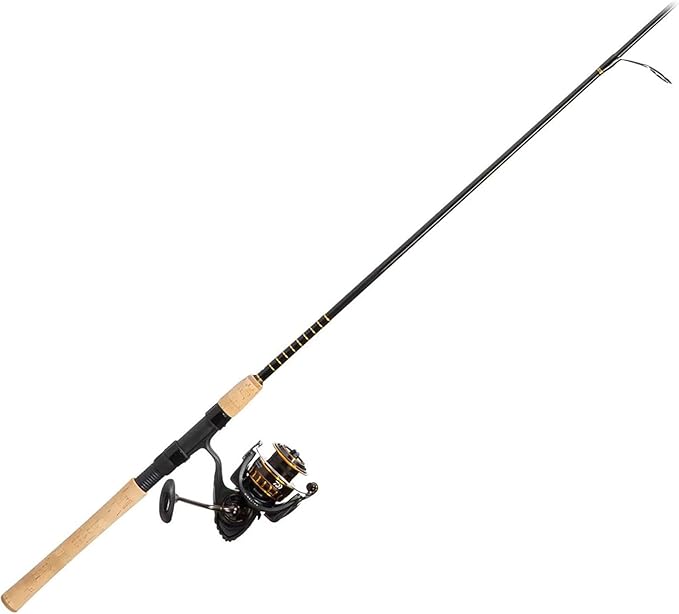
Daiwa BG Spinning Combo
-
Online Purchase:
- Visit the New Jersey Division of Fish & Wildlife license website
- You can buy and print your license for immediate use
- Note that there is a service charge and credit card processing fee for online purchases
-
In-Person Purchase:
- Buy from a licensed agent in the state
- Use the Division of Fish & Wildlife's licensed agent locator app to find a nearby vendor
Regardless of the method you choose, all purchasers are required to complete the New Jersey Child Support Certification process.
Displaying Your License
Once you have your license, it’s crucial to display it properly. New Jersey law requires that your fishing license be visibly displayed on your outer clothing while fishing. This allows for easy verification by conservation officers and helps ensure compliance with fishing regulations.
Saltwater Fishing: A Different Approach
Interestingly, New Jersey does not require a general saltwater fishing license for recreational surfcasting, deep-sea, or bay fishing. However, this doesn’t mean you can simply grab your gear and head to the Jersey Shore without any preparation.While you don’t need a license, saltwater anglers aged 16 and older must register with the New Jersey Saltwater Recreational Registry Program. This registration is free and serves an important purpose: it allows the state to accurately assess how many people are fishing in its coastal waters annually. This data is crucial for managing marine resources effectively and ensuring the sustainability of New Jersey’s rich coastal ecosystems.
Understanding New Jersey’s Fishing Regulations
While obtaining the correct fishing license is crucial, it’s equally important to familiarize yourself with New Jersey’s fishing regulations. These rules are designed to protect fish populations, ensure fair angling practices, and preserve the state’s aquatic ecosystems for future generations.
Freshwater Fishing Regulations
-
Trout Fishing:
- A trout stamp is required in addition to your fishing license if you plan to fish for or possess trout
- The regular trout season typically runs from April to mid-December, with specific dates varying each year
- There are special regulations for trout conservation areas and wild trout streams
-
Bass Fishing:
- Largemouth and smallmouth bass have specific size and catch limits that vary depending on the body of water
- Catch-and-release regulations may apply during certain times of the year to protect spawning fish
-
Ice Fishing:
- Ice fishing is permitted on most lakes and ponds, but anglers should always check ice thickness for safety
- Special regulations may apply to ice fishing shelters
-
Bait and Tackle Restrictions:
- Certain bodies of water may have restrictions on the types of bait or lures that can be used
- Some areas may be designated as fly-fishing only or artificial lures only
Saltwater Fishing Regulations
-
Registration Requirement:
- Anglers 16 and older must register with the New Jersey Saltwater Recreational Registry Program before fishing in marine waters
-
Species-Specific Regulations:
- Different fish species have varying size and bag limits
- Some species, like striped bass, have specific seasons and area restrictions
-
Shellfish Regulations:
- A separate license is required for harvesting shellfish
- There are specific regulations for clamming, crabbing, and other shellfish harvesting activities
-
Federal Regulations:
- When fishing in federal waters (beyond 3 nautical miles from shore), additional federal regulations may apply
- Certain species, like tuna, require federal permits
For the most up-to-date and detailed regulations, always consult the New Jersey Division of Fish & Wildlife’s official website.
The Impact of Fishing Licenses on Conservation
When you purchase a fishing license in New Jersey, you’re doing more than just gaining permission to fish—you’re making a direct contribution to the conservation and management of the state’s aquatic resources.
How Your License Fee Makes a Difference
-
Habitat Restoration:
- License fees help fund projects to restore and improve fish habitats in rivers, lakes, and coastal areas
-
Fish Stocking Programs:
- Your license fee contributes to fish stocking efforts that help maintain healthy populations in New Jersey's waters
-
Research and Monitoring:
- Biologists use license revenue to conduct crucial research on fish populations, habitat health, and the effectiveness of management strategies
-
Education and Outreach:
- License fees support educational programs that introduce new anglers to the sport and teach conservation ethics
-
Law Enforcement:
- Conservation officers, who ensure compliance with fishing regulations and protect against poaching, are partially funded by license revenues
The Multiplier Effect of Federal Funding
The impact of your New Jersey fishing license extends beyond the state’s borders, thanks to the Federal Aid in Sport Fish Restoration Act, also known as the Dingell-Johnson Act. Here’s how it works:
- An 11% federal excise tax is applied to fishing equipment, electric trolling motors, and motorboat fuel
- The revenue from this tax is distributed to state fish and wildlife agencies based on each state's land and water area and the number of paid fishing license holders
- To receive these federal funds, states must prohibit the diversion of hunting and fishing license fees to any purpose other than the administration of the state fish and wildlife agency
This system creates a powerful incentive for states to sell fishing licenses and invest in their fisheries, as it directly impacts the amount of federal funding they receive.
Best Fishing Spots in New Jersey
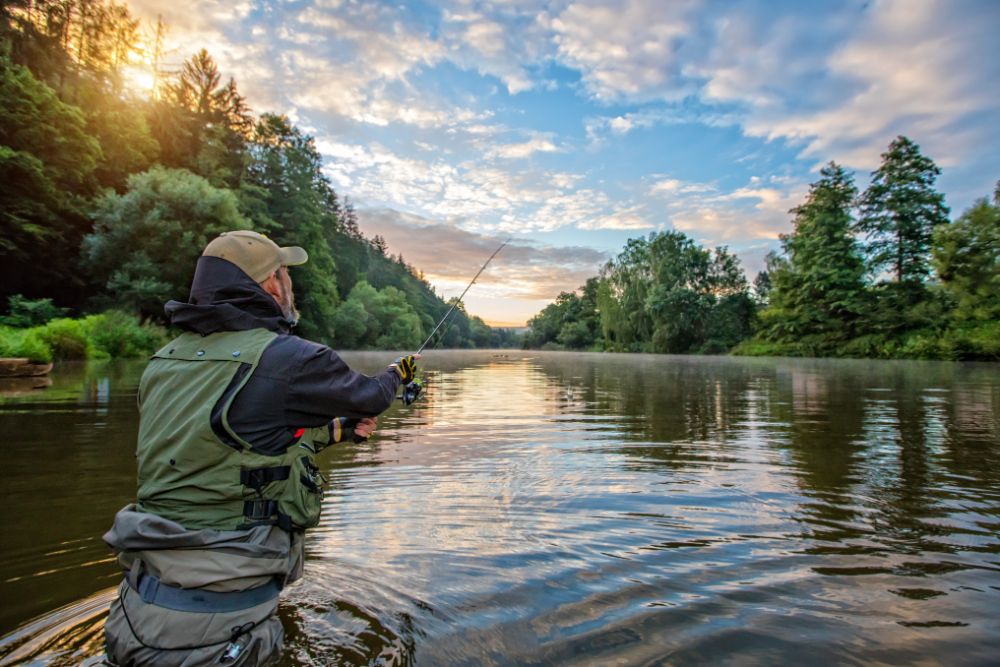
New Jersey, known as the Garden State, offers a diverse range of fishing opportunities that cater to anglers of all skill levels. From freshwater lakes to saltwater bays, the state’s varied aquatic ecosystems provide habitats for numerous fish species, making it a prime destination for fishing enthusiasts. This guide explores some of the top fishing spots in New Jersey, highlighting their unique features and target species.
Delaware River: A Smallmouth Bass Haven
The Delaware River stands out as a premier destination for anglers seeking excellent smallmouth bass, walleye, and striped bass fishing. This 388-mile long river forms a natural border of New Jersey and offers diverse fishing experiences along its course.
Key Features:
- Access points include the Delaware Water Gap National Recreation Area
- Known for its healthy populations of smallmouth bass, walleye, and striped bass
- Additional species include carp, catfish, musky, trout, and perch
Fishing Tips:
- Focus on rocky areas and deep pools for smallmouth bass
- Try using live bait or soft plastic lures for best results
- Be aware of seasonal regulations, especially for striped bass
Round Valley Reservoir: Trout Fishing Paradise
Round Valley Reservoir is renowned as one of the best spots for lake trout fishing in New Jersey. This 2,350-acre artificial lake offers pristine blue waters and incredible views, making it a scenic and productive fishing destination.
Key Features:
- Excellent opportunities for lake trout, smallmouth bass, and rainbow trout
- Known for its clear, deep waters ideal for trout habitat
- Also home to perch and other freshwater species
Fishing Tips:
- Use deep-diving lures or trolling techniques for lake trout
- Early morning and late evening are prime times for trout fishing
- Check depth charts to locate underwater structures that attract fish
Raritan Bay: Saltwater Fishing Hotspot
Raritan Bay is a popular spot for striped bass, bluefish, and fluke fishing. Its location along the coast of central New Jersey makes it easily accessible for both shore and boat anglers.
Key Features:
- Accessible from several public fishing piers and boat ramps
- Nutrient-rich waters attract a variety of fish species
- Offers excellent opportunities for striped bass during spring and fall runs
Fishing Tips:
- Use live bait such as bunker or clams for striped bass
- Try bucktails or soft plastics for fluke fishing
- Be aware of tidal changes, which can significantly affect fishing success
Lake Hopatcong: New Jersey’s Largest Lake
As New Jersey’s largest lake, Lake Hopatcong offers diverse fishing opportunities throughout the year. Its varied structure and abundant fish populations make it a favorite among local anglers.
Key Features:
- Target species include largemouth bass, walleye, and various panfish
- Has the greatest diversity of game fish in the state
- Also home to catfish, carp, and musky
Fishing Tips:
- Use topwater lures for bass during early morning and evening hours
- Try jigging for walleye in deeper areas of the lake
- Explore weed edges and drop-offs for best results
Barnegat Bay: Fluke and Striped Bass Paradise
Barnegat Bay is excellent for fluke, striped bass, and bluefish fishing. Its unique position, with the Atlantic Ocean on one side and the bay on the other, provides varied fishing experiences.
Key Features:
- Many charter boats operate in this area for those without their own vessel
- Barnegat Inlet provides shelter to many of New Jersey's game fish species
- Offers both bay and ocean fishing opportunities
Fishing Tips:
- Use bucktails or soft plastics for fluke fishing in the bay
- Try live eels or bunker chunks for striped bass in the inlet
- Consider hiring a charter for access to prime fishing spots
Before embarking on your fishing adventure in New Jersey, remember to check local regulations and obtain any necessary permits. Each location may have specific rules regarding catch limits, seasons, and required licenses. By respecting these regulations, you contribute to the conservation of New Jersey’s rich aquatic resources, ensuring great fishing experiences for future generations.
Fishing Ethics and Conservation
Responsible angling is crucial for preserving our aquatic ecosystems and ensuring the longevity of recreational fishing. Here are some best practices to ensure sustainable fishing:
Practice Catch and Release
When catch and release is appropriate, follow these guidelines to maximize fish survival:
- Use circle hooks or barbless hooks to minimize injury
- Keep the fish in the water as much as possible during handling
- Wet your hands before touching fish to protect their protective slime coat
- Support the fish's weight horizontally when holding it
- Revive exhausted fish by facing them into the current before release
- Limit air exposure to less than 60 seconds
For deep-water catches, use proper techniques to address barotrauma and increase survival rates.
Proper Disposal of Fishing Line and Waste
Improper disposal of fishing gear can harm wildlife and pollute waterways:
- Always collect and properly dispose of fishing line, hooks, and other waste
- Use designated monofilament recycling bins available at many fishing spots
- If recycling bins aren't available, cut line into small pieces (< 4 inches) before disposal
- Consider participating in or organizing local waterway cleanup efforts
Respect Size and Bag Limits
Size and bag limits are crucial for maintaining healthy fish populations:
- Familiarize yourself with local fishing regulations before your trip
- Use an accurate fish ruler to measure your catch
- Understand the rationale behind size limits, which often allow fish to spawn at least once before harvest
- Be aware that regulations may vary by species and location to address specific conservation needs
Be Mindful of Your Environment
Responsible anglers act as stewards of the environment:
- Avoid disturbing wildlife and vegetation around fishing spots
- Use environmentally-friendly fishing methods like spearfishing or cast nets when appropriate
- Choose fishing locations and times that minimize impact on sensitive habitats
- Report any signs of pollution or illegal fishing activities to local authorities
Educate Others
Sharing knowledge is key to promoting widespread conservation efforts: