
The Short Answer: Yes, You (Probably) Need a License
In most cases, you’ll need a valid fishing license for catch-and-release fishing, even if you don’t plan to keep any fish. This might seem counterintuitive, but there’s solid reasoning behind it. Let’s break down why licenses are typically required and explore some exceptions that may benefit older anglers.
Why Licenses Matter for Catch-and-Release
- Conservation Funding: Your license fees are a crucial source of funding for state fish and wildlife agencies. These funds support habitat restoration, fish stocking programs, and research that benefits all anglers. In 2024, many states are allocating increased portions of license revenue to combat invasive species and climate change impacts on fisheries.
- Resource Management: Licenses help agencies track fishing activity and manage fish populations effectively, ensuring sustainable fishing for years to come. This data is particularly valuable as agencies work to understand the long-term effects of catch-and-release practices on fish health and behavior.
- Access and Maintenance: License revenues often go towards maintaining public fishing areas, boat ramps, and other facilities that benefit all anglers. Many states have recently expanded their efforts to improve accessibility for older anglers, including more accessible shoreline fishing spots and adaptive equipment rentals.
- Legal Compliance: Having a license ensures you're on the right side of the law, avoiding potential fines or penalties. For anglers over 50, getting caught without a license can be more than just embarrassing – it can lead to increased scrutiny and potential loss of future fishing privileges.
State-by-State Breakdown
While the general rule is that you need a license for catch-and-release, regulations can vary significantly between states. Let’s examine some notable examples:
California: The Golden State’s Golden Rule
In California, anglers 16 and older must have a valid sport fishing license to fish in any public water, including catch-and-release fishing. However, there are a few exceptions that may benefit older anglers:
- Free Fishing Days: California offers two free fishing days each year, typically around July 4th and Labor Day weekend. In 2024, these dates are set for July 6th and August 31st.
- Reduced-Fee Licenses: California offers a reduced-fee fishing license for low-income seniors 65 and older. In 2024, this license costs $7.56, compared to the standard annual resident license fee of $54.00.
- Public Piers: Fishing from a public pier in ocean or bay waters doesn't require a license, making this an excellent option for older anglers looking to enjoy some saltwater fishing without the added expense.
For more information on California fishing licenses, visit the California Department of Fish and Wildlife website.
Texas: No More Loopholes
Texas recently tightened its regulations. As of September 1, 2021, all fishing activities in public waters, including catch-and-release, require a valid fishing license for anglers 17 and older. This closed a previous loophole that allowed license-free catch-and-release fishing. However, Texas offers some benefits for older anglers:
Learn more about Texas fishing licenses on the Texas Parks & Wildlife Department website.
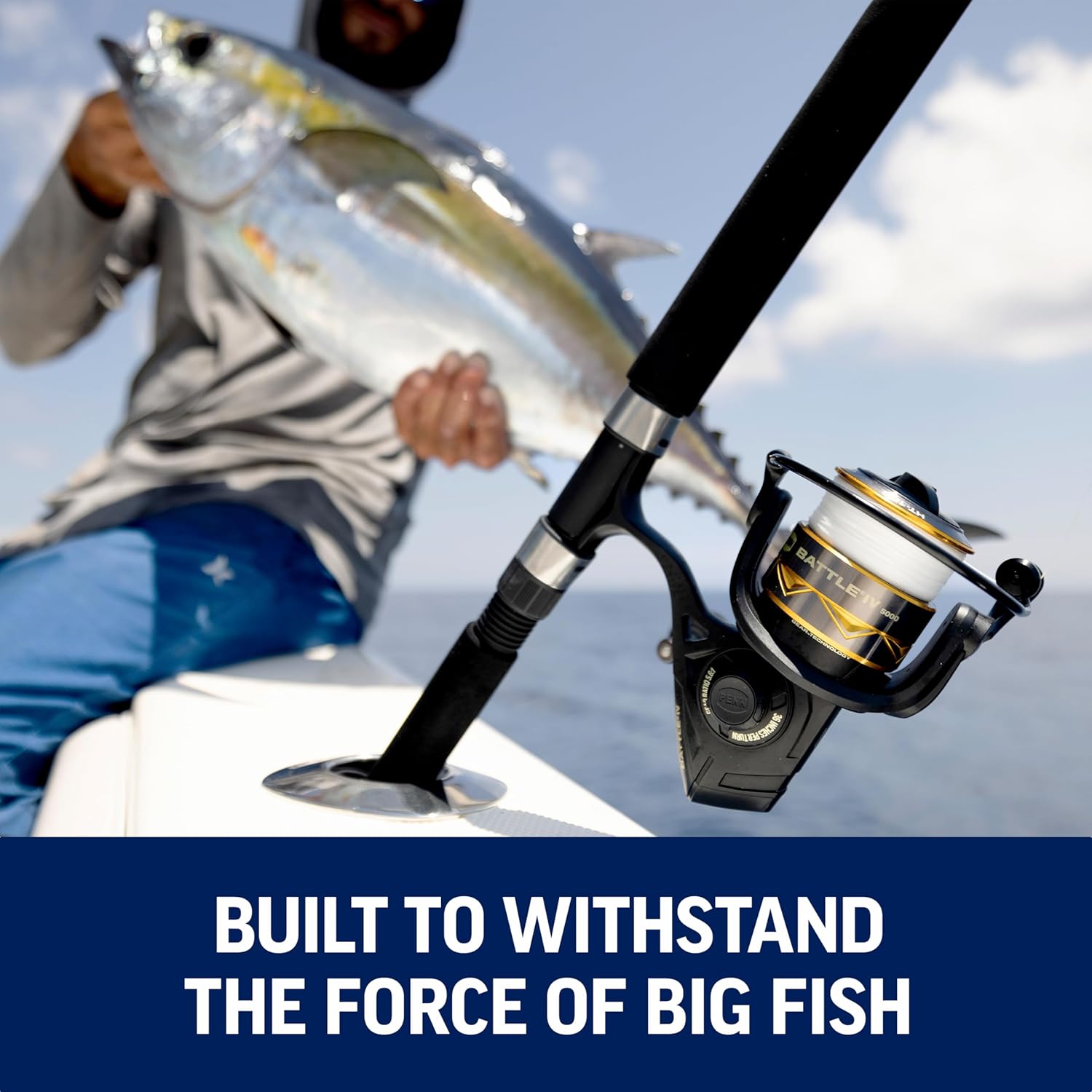
Penn Battle III Surf Spinning Combo
Florida: Saltwater vs. Freshwater Distinctions
Florida’s regulations highlight the importance of understanding the differences between saltwater and freshwater licenses:
- Saltwater: A license is required for any attempt to take marine fish, even if you plan to release them. However, Florida residents 65 and older can obtain a free Resident 65+ Fishing License, valid for life.
- Freshwater: Similar rules apply, but there are more exemptions. Florida residents age 65 or older do not need a freshwater fishing license.
Senior Angler Spotlight: Tom Carlson, 72, of Sarasota, shares, “I’ve been fishing these waters for over 50 years, and getting that free lifetime license was like a ’thank you’ from the state. It’s encouraged me to get out on the water more often, which has been great for my health and happiness.”
For detailed information on Florida’s fishing license requirements, visit the Florida Fish and Wildlife Conservation Commission website.
- Age Exemptions: Many states offer free or reduced-cost licenses for seniors. For example, in New York, residents 70 years and older can obtain a free fishing license.
- Veteran Benefits: Several states offer free or discounted licenses to disabled veterans or active-duty military personnel. In Michigan, for instance, 100% disabled veterans can obtain a free all-species fishing license.
- Private Property: Fishing on private property, especially in ponds or lakes entirely within the property, often doesn't require a license. This can be a great option for older anglers who may have access to private fishing spots.
- Free Fishing Days: Most states offer a few days each year when anyone can fish without a license. These are excellent opportunities for older anglers to introduce grandchildren to the sport or try fishing in a new location.
How to Easily Obtain or Renew Your License
In 2024, obtaining or renewing a fishing license is easier than ever, with options tailored to the preferences of older anglers:
- Online: Most states offer online license purchases through their fish and wildlife department websites. This is often the quickest and most convenient option.
- Mobile Apps: Many states now have mobile apps that allow you to purchase and display your license digitally. This can be especially handy for those who prefer to keep everything on their smartphone.
- Retail Locations: For those who prefer in-person transactions, licenses are often available at sporting goods stores, bait shops, and even some convenience stores.
- By Phone: Many states allow license purchases over the phone, which can be a good option for those who aren't comfortable with online transactions.
- Automatic Renewal: Some states offer automatic renewal options, ensuring you never forget to renew your license. This can be particularly convenient for older anglers who fish regularly.
Pro Tip: When purchasing your license, inquire about multi-year options. Many states offer discounted rates for multi-year licenses, which can save money and reduce the hassle of annual renewals.