
On-Reservation Fishing Rights
Native American tribes generally have exclusive rights to regulate fishing activities on their reservations. This means:
- Tribal members typically do not need state-issued fishing licenses to fish on their own reservation lands.
- Tribes have the authority to create their own fishing regulations and licensing systems for reservation waters.
- Non-tribal members may need tribal permits or licenses to fish on reservation lands, depending on tribal laws.
Tribal Sovereignty: The principle of tribal sovereignty allows Native American tribes to govern themselves and manage their natural resources, including fish and wildlife on reservation lands.
Off-Reservation Fishing Rights
The situation becomes more complex when considering off-reservation fishing:
- Treaty Rights: Many tribes have treaty-guaranteed rights to fish in their traditional territories, which may extend beyond reservation boundaries.
- State Regulations: In areas not covered by treaty rights, Native Americans are generally subject to state fishing regulations and licensing requirements like any other citizen.
- Fair Apportionment: Courts have established that tribes with treaty fishing rights are entitled to a "fair share" of the harvestable fish, often interpreted as up to 50% of the available catch.
State-Specific Regulations
Fishing license requirements for Native Americans can vary significantly by state:
- Washington State: Tribes with treaty rights can fish in their usual and accustomed places without state licenses.
- Kansas: Offers free hunting, fishing, and trapping licenses to enrolled members of federally recognized tribes who reside in the state.
- New York: Provides free fishing licenses for off-territory fishing to eligible tribal members.
It’s crucial for Native American anglers to check with their tribal authorities and state wildlife agencies for specific regulations in their area.
Federal Court Decisions
Several landmark court cases have shaped Native American fishing rights:
- United States v. Winans (1905): Established the "reserved rights doctrine," affirming that tribes retain rights not explicitly revoked by treaties.
- Tulee v. Washington (1942): Ruled that states cannot require Native Americans to purchase fishing licenses for treaty-protected fishing activities.
- United States v. Washington (1974): Known as the "Boldt Decision," this ruling affirmed treaty tribes' rights to 50% of the harvestable fish in Washington State.
These decisions have significantly impacted how states and tribes manage fishing rights and licensing requirements.
Conservation and Regulation
While treaty rights are protected, they are not absolute:
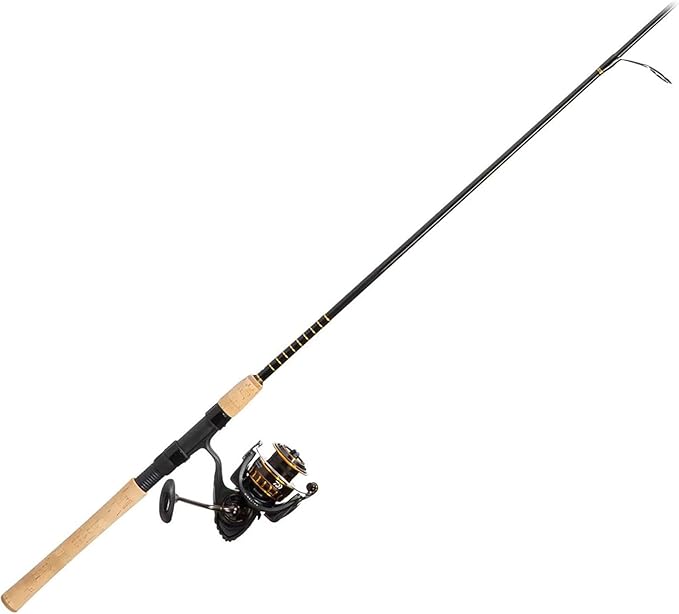
Daiwa BG Spinning Combo
- States can impose conservation measures that apply to tribal fishing, provided they are necessary and do not discriminate against Native Americans.
- Tribes often work collaboratively with state and federal agencies to manage fish populations and ensure sustainable harvests.
Challenges and Controversies
The issue of Native American fishing rights continues to be a source of tension in some areas:
- Disputes between tribal and non-tribal fishers over access to resources.
- Concerns about overfishing and the impact on endangered species.
- Ongoing legal battles to clarify and enforce treaty rights.