
In the sun-soaked state of Florida, where pristine waters and abundant marine life beckon anglers from all walks of life, seniors have a special place in the fishing community. As we navigate the waters of 2024, it’s crucial for older anglers to understand the current regulations surrounding fishing licenses. The good news for Florida’s senior residents is that the state continues to offer generous exemptions, making it easier than ever for older adults to enjoy their favorite pastime.
Age and Residency: The Keys to License-Free Fishing
Florida maintains its longstanding policy of exempting residents aged 65 and older from the requirement to purchase a recreational fishing license. This exemption applies to both freshwater and saltwater fishing within state boundaries, offering seniors unparalleled access to Florida’s diverse aquatic ecosystems.
To take advantage of this exemption, seniors must meet two critical criteria:
- Age: Must be 65 years or older
- Residency: Must be a legal resident of Florida
Proving Your Eligibility
While the freedom to fish without a license is a significant benefit, seniors must still be prepared to prove their eligibility if asked by a wildlife officer. Acceptable forms of identification include:
- A valid Florida driver's license
- A Florida state-issued ID card
- The optional, no-cost Resident 65+ Hunt/Fish Certificate
The Resident 65+ Hunt/Fish Certificate, while not mandatory, can be a convenient option for seniors who prefer not to carry their driver’s license while fishing. It’s available at no cost through the Florida Fish and Wildlife Conservation Commission (FWC) website or at local tax collector offices.
Beyond the Basic License: Additional Permits and Considerations
While the basic fishing license requirement is waived for eligible seniors, it’s important to note that some fishing activities may still require additional permits. These specialized permits ensure sustainable management of certain species and fishing methods. As of 2024, seniors should be aware of the following potential requirements:
- Snook Permit: Required for harvesting snook, regardless of age or residency status.
- Spiny Lobster Permit: Necessary for recreational harvesting of spiny lobsters during the regular season.
- Federal Duck Stamp: Required for waterfowl hunting, which some anglers combine with their fishing activities.
It’s crucial for senior anglers to stay informed about these additional requirements, as they can change from year to year based on conservation needs and wildlife management strategies.
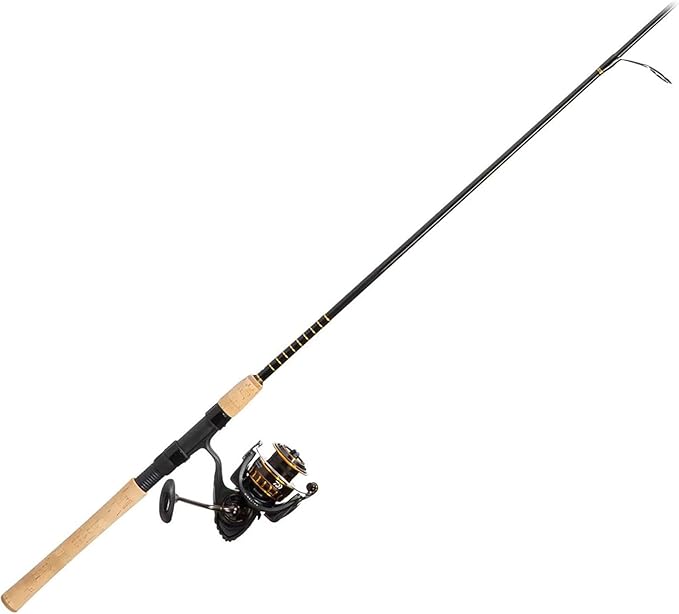
Daiwa BG Spinning Combo
The Economic and Social Impact of Senior Fishing Exemptions
Florida’s policy of exempting seniors from fishing license requirements goes beyond simply offering a financial break to older residents. This approach has far-reaching implications for the state’s economy and the well-being of its senior population.
Economic Benefits
The senior fishing exemption serves as a powerful draw for retirees considering relocation or extended stays in Florida. This influx of senior anglers contributes significantly to the local economy through various channels:
- Tourism: Senior anglers often travel within the state, boosting local economies in fishing hotspots.
- Equipment Purchases: While exempt from license fees, seniors continue to invest in fishing gear, boats, and related equipment.
- Guided Fishing Trips: Many seniors opt for chartered fishing experiences, supporting local captains and guides.
A 2023 study by the American Sportfishing Association estimated that anglers aged 65 and older contributed over $1.5 billion annually to Florida’s economy through fishing-related expenditures, highlighting the significant economic impact of this demographic.
Conservation and Responsible Angling
While enjoying the benefits of license-free fishing, it’s crucial for senior anglers to remember their role in conservation efforts. The FWC emphasizes that all anglers, regardless of age or license status, must adhere to fishing regulations, including:
- Bag limits
- Size restrictions
- Seasonal closures
- Gear restrictions
Senior anglers are encouraged to:
- Stay informed about current regulations through the FWC website or mobile app
- Practice catch and release when appropriate
- Participate in citizen science projects, such as fish tagging programs
- Report any observed violations or environmental concerns to the FWC
Comparing Florida’s Policy to Other States
Florida’s approach to senior fishing licenses stands out as particularly generous when compared to policies in other states. As of 2024, here’s how Florida’s policy compares to some other popular fishing destinations:
- Georgia: Offers a discounted annual license for residents 65 and older, but does not provide a full exemption.
- California: Provides a reduced-fee fishing license for residents 65 and older, with additional discounts for low-income seniors.
- Maine: Offers a complimentary license to residents 70 and older, a higher age threshold than Florida's.
This comparison underscores the attractiveness of Florida’s policy for senior anglers, potentially influencing retirement decisions and tourism patterns across the southeastern United States.
Technology and Resources for Senior Anglers
To enhance the fishing experience for seniors in 2024, the FWC and various organizations offer a range of technological tools and resources:
- FWC Mobile App: Provides real-time regulation updates, fishing spot recommendations, and the ability to report catches.
- Accessible Fishing Locations Database: An online resource highlighting fishing spots with senior-friendly amenities and accessibility features.
- Virtual Fishing Workshops: Online educational sessions covering topics from basic techniques to advanced conservation practices, tailored for senior participants.
These resources not only make fishing more accessible for seniors but also help them stay connected with the broader angling community and conservation efforts.