
Fishing is a beloved pastime for many Floridians, especially in the state’s abundance of private ponds. However, a common question arises: Do you need a fishing license to fish in your private pond? This guide will clarify the regulations surrounding fishing licenses in Florida, particularly for private ponds, and provide insights into exemptions and the application process.
Understanding Fishing License Requirements in Florida
In Florida, fishing is regulated to protect the state’s rich aquatic ecosystems. Generally, all residents and visitors aged 16 and older are required to have a valid fishing license when fishing in public waters. However, private ponds have specific regulations that can exempt certain individuals from needing a license.
Key Points About Fishing Licenses in Florida
- Types of Licenses: Florida offers various fishing licenses, including freshwater, saltwater, and combination licenses, each tailored to different fishing environments and needs.
- Importance of Licensing: Having a fishing license not only ensures compliance with state laws but also supports conservation efforts that maintain Florida's natural resources.
Fishing License Exemptions for Private Ponds
Florida law provides specific exemptions for fishing in private ponds, which can be beneficial for residents. Here are the primary exemptions:
Ponds 20 Acres or Less
Residents do not need a fishing license to fish in a private pond that is 20 acres or less, provided it is entirely within the owner’s property and has no surface water connection to public waters. This exemption allows many homeowners to enjoy fishing without the added step of obtaining a license.
Ponds Over 20 Acres
For ponds larger than 20 acres, the owner must obtain a Private Fish Pond License at a fee of $3 per surface acre. This license exempts individuals fishing in the pond from needing a separate fishing license. This regulation ensures that larger bodies of water are monitored while still allowing residents to fish without additional licensing requirements.
Other Fishing License Exemptions in Florida
In addition to the exemptions for private ponds, Florida has other regulations that may apply:
- Residents Under 16: Individuals under the age of 16 are not required to have a fishing license, making it easier for young anglers to enjoy fishing.
- Residents Over 65: Florida residents who are 65 years of age or older are exempt from needing a fishing license.
- Permanently Disabled Residents: Individuals certified as permanently disabled may also fish without a license.
- Fishing in County of Residence: Residents fishing in their county of residence using certain gear may not need a fishing license, depending on local regulations.
How to Obtain a Fishing License in Florida
For fishing enthusiasts in Florida, obtaining a fishing license is a crucial step to enjoy the state’s abundant aquatic resources legally and responsibly. For those who do not qualify for exemptions, the process is straightforward and can be accomplished through various methods. Here’s a detailed guide on how to secure your fishing license in Florida, ensuring you’re ready for your next fishing adventure.
Online Application
One of the most convenient ways to obtain a fishing license is through the Florida Fish and Wildlife Conservation Commission (FWC) website at myfwc.com. Here’s a step-by-step breakdown of the online application process:
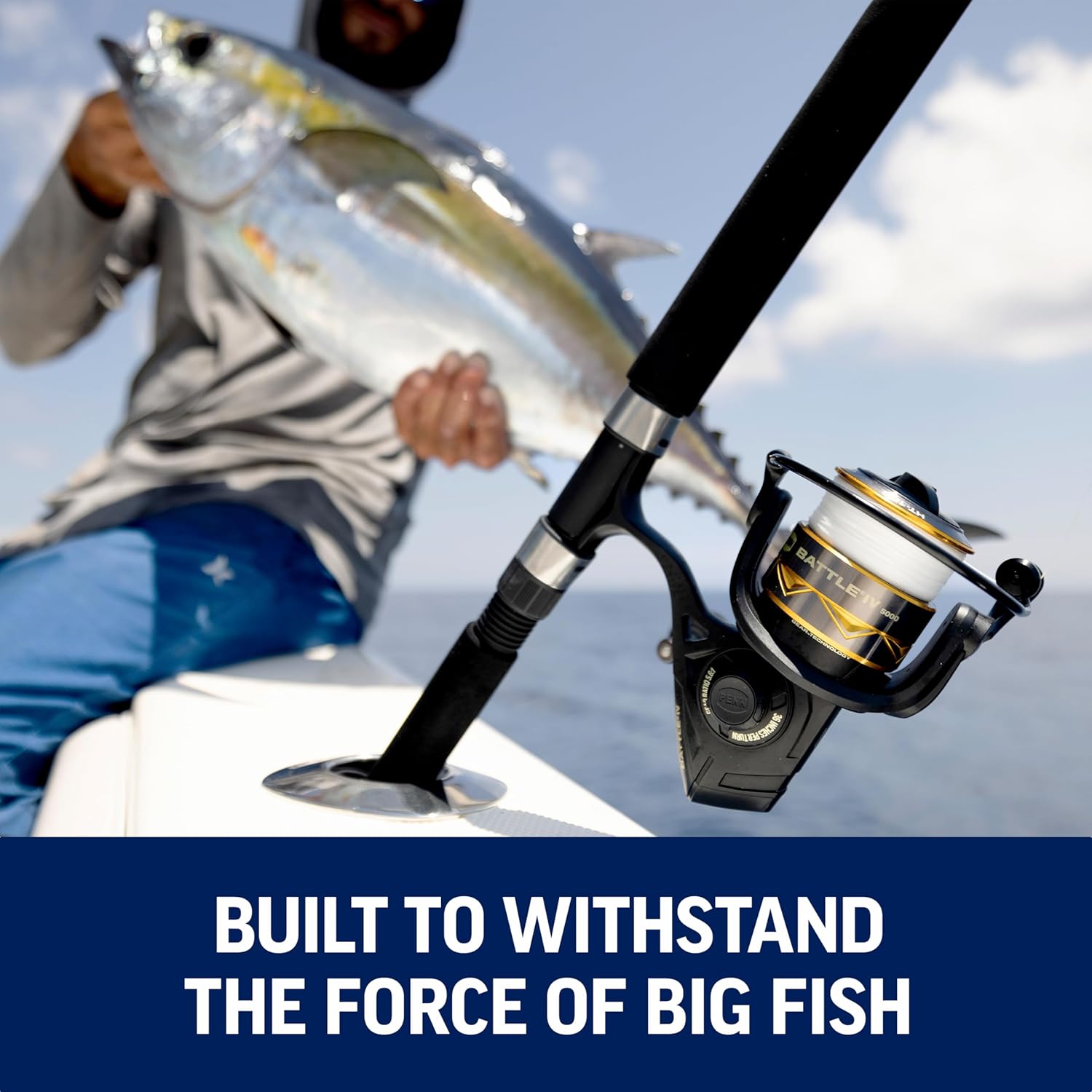
Penn Battle III Surf Spinning Combo
- Visit the FWC Website: Navigate to the FWC’s licensing section, where you’ll find clear instructions and links to apply for a fishing license.
- Select Your License Type: Choose from various options, including freshwater, saltwater, or combination licenses. Each type caters to different fishing environments, so select the one that best suits your fishing habits.
- Create an Account or Log In: If you are a new user, you will need to create an account. Returning users can log in to access their previous applications and licenses.
- Provide Required Information: Fill out the online form with your personal details, including your name, address, and proof of residency.
- Payment: After completing the application, you can pay the licensing fee using a credit or debit card. The online system is secure and processes transactions quickly, allowing you to receive your license via email or mail.
This online option is particularly beneficial for busy individuals who prefer the convenience of applying from home. It eliminates the need for travel and waiting in lines, making it an efficient choice for many anglers.
In-Person Purchase
For those who prefer a more personal touch, licenses can also be purchased in person at various retail locations throughout Florida. Here’s how to go about it:
- Find a License Agent: You can purchase your fishing license at sporting goods stores, bait shops, or county tax collector offices. A list of authorized agents can be found on the FWC website.
- Bring Necessary Documentation: When visiting a retail location, ensure you have the required documents, such as proof of residency (like a driver’s license or utility bill) and identification.
- Select Your License: Discuss your fishing needs with the agent, who can help you choose the appropriate license type based on your fishing plans.
- Payment: Payment can typically be made via cash, credit, or debit card. The agent will print your license on the spot, allowing you to start fishing immediately.
This option is ideal for those who enjoy interacting with fellow anglers or require assistance in understanding the various license types and regulations.
Required Information
When applying for a fishing license, whether online or in person, individuals will need to provide specific personal information. Here’s what you should prepare:
- Proof of Residency: This can include a Florida driver’s license or state ID. If you do not have a Florida ID, alternative documents such as a utility bill, bank statement, or lease agreement with your name and address can suffice.
- Identification: A government-issued ID is necessary to verify your identity.
- Social Security Number: In some cases, you may be required to provide your Social Security number, particularly when applying online.
Having these documents ready will streamline the application process, ensuring you can quickly obtain your fishing license without unnecessary delays.
Supporting Evidence and Statistics
The importance of obtaining a fishing license cannot be overstated. According to the Florida Fish and Wildlife Conservation Commission, there were approximately 2.4 million recreational fishing licenses sold in Florida during the 2019-2020 fiscal year. This statistic highlights the popularity of fishing in the state and underscores the need for responsible fishing practices.
Moreover, fishing licenses play a vital role in conservation efforts. The funds generated from license sales contribute to habitat restoration, fish stocking programs, and public education initiatives aimed at preserving Florida’s natural resources. By purchasing a fishing license, you are not only complying with state laws but also supporting the sustainability of Florida’s aquatic ecosystems.
Do I need a license for catch and release fishing?
Yes, a fishing license is required even for catch and release fishing.
What if I’m fishing in a pond that connects to public waters?
If the pond has a surface water connection to public waters, a fishing license is required.
Are there free fishing days in Florida?
Yes, Florida offers designated free fishing days when residents can fish without a license. These typically occur on the first weekend in April and the second weekend in June. For more details, visit Florida Fishing License.
Can I fish in my neighbor's pond without a license?
No, fishing in a neighbor's pond requires the appropriate license unless it falls under specific exemptions.
What happens if I fish without a license?
Fishing without a valid license can result in fines and penalties, emphasizing the importance of compliance with state regulations.