
General Fishing License Requirements
Most states require anglers aged 16-64 to possess a valid fishing license. This age range can vary slightly by state, so it’s crucial to check local regulations. For example, Minnesota will introduce a new electronic licensing system in March 2025, allowing residents and non-residents to purchase licenses online or via a mobile app. This system will streamline the process of obtaining licenses, which can be printed at home or stored electronically on smartphones .
Additionally, junior licenses are typically available for those under 16 years of age, while seniors aged 65 and older often qualify for discounted rates or free licenses. For instance, in California, seniors can obtain a reduced-fee sport fishing license if they meet specific eligibility criteria .
License fees vary significantly across states; for instance, an annual resident license costs $25 in New York but $45 in California. Non-resident licenses are generally more expensive. Many states also offer the option to combine fishing licenses with hunting permits or trout stamps at discounted rates. Always verify the specific requirements for your state before heading out to fish.
Why Purchase a Fishing License?
Acquiring a fishing license is essential not only because it is legally required in most states but also because your fees contribute directly to conservation efforts. The funds generated from fishing licenses are vital for:
- Enhancing water quality and fish habitats
- Supporting the long-term sustainability of fish populations
- Protecting aquatic ecosystems
- Educating future generations about responsible angling practices
For example, in Florida, the Fish and Wildlife Conservation Commission (FWC) offers discounts on hunting and fishing licenses to encourage outdoor activities . By purchasing a license, you play an integral role in preserving the sport you enjoy while ensuring sustainable practices are upheld across waterways.
State-Specific License Considerations
As you prepare for your next fishing trip, it’s crucial to understand that each state has unique rules and regulations regarding fishing licenses. Here are some key factors to consider:
License Types
States typically offer various fishing licenses tailored to different needs. Most states have separate licenses for freshwater and saltwater fishing, or a combined “all waters” license. Additionally, some states require specific permits for certain species, such as trout, salmon, or shellfish. For detailed information on license types in your state, visit the California Department of Fish and Wildlife or New York State Department of Environmental Conservation.
Fees
Fishing license fees can vary significantly from state to state. For instance, states like Alaska and California are known for their higher-priced licenses, while others like Oklahoma and Kentucky offer more affordable options. It’s essential to check the current fees before planning your trip. You can find up-to-date fee information on the Texas Parks and Wildlife Department website.
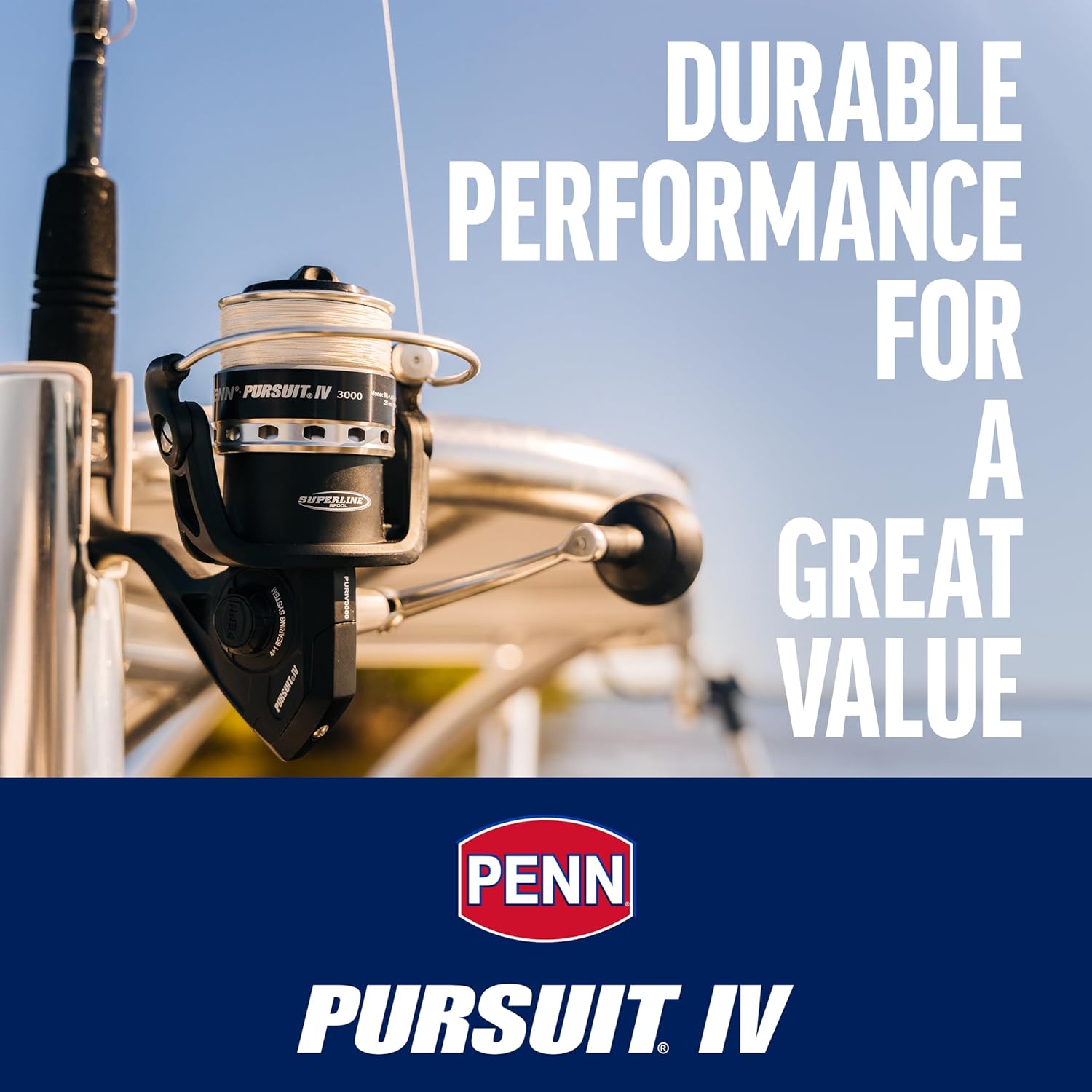
Penn Pursuit IV Spinning Combo
Residency Requirements
Most states provide lower-priced licenses for residents who meet specific criteria, usually requiring them to have lived in the state for a certain period (often 6-12 months). Non-resident licenses can cost two to three times more than resident licenses. For example, Georgia offers discounted rates for residents compared to non-residents; you can view more details on the Georgia Department of Natural Resources site.
Bag and Size Limits
Each state enforces its own regulations regarding bag limits (the number of fish you can keep) and size limits (the minimum size of fish). Familiarizing yourself with these rules is crucial since they are strictly enforced. For instance, in Florida, specific species have designated limits that must be adhered to. Check the Florida Fish and Wildlife Conservation Commission for detailed regulations.
Fishing Methods
Certain states impose restrictions on fishing methods, including gear or bait usage. For example, in Michigan, only artificial lures are permitted in designated trout streams. Understanding these restrictions will help you avoid potential violations during your fishing trip.
Being aware of these state-specific license considerations is vital for a successful fishing experience. Violating any rules can lead to fines or legal consequences, so thorough preparation is essential before casting your line in a new state. Always consult official state resources for the most accurate and updated information regarding fishing licenses and regulations.
Fishing Across State Lines
What Happens When You Want to Fish in Another State?
When considering fishing outside your home state, it’s essential to understand that your resident fishing license does not automatically apply in other states. For example, holding a valid license from Minnesota does not grant you legal fishing rights in neighboring Wisconsin or Iowa. Generally, you have two primary options for fishing legally in another state:
- Purchase a Non-Resident License from that state.
- Rely on Reciprocal Agreements between states.
Reciprocal Fishing Agreements
Some neighboring states have established reciprocal agreements that allow anglers to fish in both states’ waters using a single license. These agreements typically apply to shared boundary waters, such as rivers or lakes straddling state lines. A notable example is the agreement between New York and Vermont regarding Lake Champlain, where anglers with valid licenses from either state can fish the entire lake, provided they adhere to the regulations of the state where they are fishing.
Similar reciprocal privileges exist between:
- Ohio and West Virginia on the Ohio River
- Missouri and Arkansas on the Mississippi River
- California and Arizona on the Colorado River
However, it’s crucial to note that these agreements often have limitations. They usually apply only to recreational fishing and are restricted to shared waters—your New York license won’t permit fishing in Vermont’s inland lakes and streams. Always verify the specific terms of any reciprocal agreement before assuming your license is valid. For more details, visit the Virginia Department of Wildlife Resources for information on reciprocal licenses.
Purchasing Non-Resident Licenses
If no reciprocity agreement exists or if you plan to fish beyond shared boundaries, you’ll need to purchase a non-resident license directly from the state you intend to visit. Here are some key points regarding non-resident licenses:
- Cost: Non-resident licenses are typically more expensive than resident licenses. For instance, an annual non-resident license in Colorado costs $96 compared to just $36 for residents.
- Short-Term Licenses: Many states offer short-term licenses for 1, 3, or 7 days, which can be cost-effective if you're visiting briefly. For example, Florida's 3-day non-resident saltwater license costs $17, while an annual license is $47.
- Special Licenses: Some states have unique licenses for popular fishing destinations. If you're fishing in New York's Catskills region, you'll need both a non-resident license and a special permit for that watershed.
When fishing with a charter or guide service, check if they include fishing licenses for clients—some do, which can save you time and money. It’s essential to do your research ahead of time and budget accordingly since non-resident licenses can accumulate quickly during multi-state fishing trips.
For comprehensive information about licensing fees and options across various states, refer to official resources like Massachusetts Fishing License Fees or Maine Fishing Laws.