
Fishing is a cherished activity for families in Oregon, providing opportunities for bonding and adventure in the great outdoors. However, understanding the regulations surrounding fishing licenses, especially for children, can be challenging. This guide will clarify whether children need a fishing license in Oregon, outline the relevant laws, and provide practical advice for families looking to introduce their kids to fishing.
In this post, you will learn about:
- The age requirements for fishing licenses in Oregon
- How to obtain a fishing license for children
- Additional regulations that may apply
- Tips for a successful family fishing trip
Understanding Fishing License Requirements in Oregon
Who Needs a Fishing License?
In Oregon, the fishing license requirements vary based on age:
- Children Under 12: Kids younger than 12 years do not need a fishing license. This means you can take your little ones fishing without any additional costs for licenses, making it easier to introduce them to the sport.
- Ages 12 to 17: Young anglers between the ages of 12 and 17 are required to have a Youth Fishing License, which costs $10. This license allows them to fish for all species and includes the necessary tags and endorsements for certain types of fishing.
- Adults 18 and Older: Anyone 18 years or older must purchase a standard fishing license, which varies in cost depending on residency status (approximately $44 for residents and $110 for non-residents) .
Types of Fishing Licenses Available
Oregon offers various licenses and endorsements to cater to different fishing needs. Here’s a breakdown:
- Youth Fishing License: For anglers aged 12-17, allowing fishing for all species.
- Annual Fishing License: Required for adults and valid for one year.
- Columbia River Basin Endorsement: Necessary for fishing for salmon, steelhead, and sturgeon in the Columbia River Basin.
- Two Rod Validation: Allows anglers to fish with two rods simultaneously in certain waters.
- Hatchery Harvest Card: Required for additional harvest of hatchery salmon and steelhead.
Understanding these licenses will help you ensure compliance with state regulations while enjoying your fishing adventures.
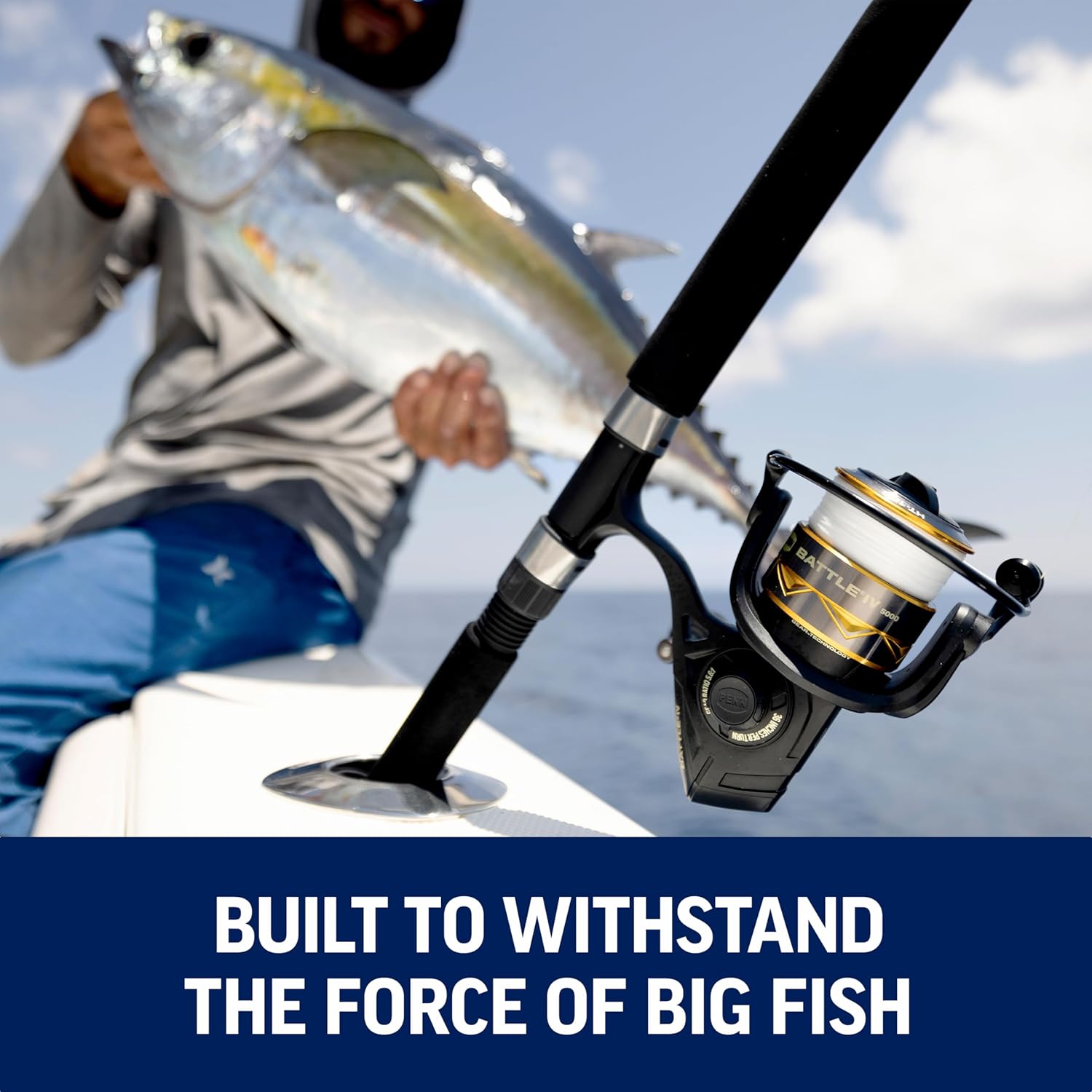
Penn Battle III Surf Spinning Combo
How to Obtain a Fishing License for Your Child in Oregon
Acquiring a fishing license for your child in Oregon is a straightforward yet essential process that opens the door to countless outdoor adventures. Fishing not only fosters a love for nature but also creates lasting family memories. Here’s a comprehensive guide to help you navigate the application process effectively.
Step-by-Step Application Process
1. Determine the Type of License Needed
Understanding the specific requirements for fishing licenses is crucial:
- Children Under 12: Kids aged 11 and younger do not need a fishing license to fish in Oregon. This policy encourages families to introduce young children to the joys of fishing without the burden of licensing fees.
- Ages 12 to 17: For young anglers aged 12 to 17, a Youth Fishing License is required. Priced at a modest $10, this license allows them to fish for all species and includes necessary tags and endorsements for certain types of fishing. This investment not only provides access to fishing opportunities but also instills a sense of responsibility in young anglers.
2. Gather Required Documents
Before applying, ensure you have the necessary documentation:
- Proof of Age: If your child is applying for a Youth License, you may need to provide proof of age. Acceptable documents include a birth certificate or a government-issued ID. This step is vital to verify eligibility and ensure compliance with state regulations.
3. Choose Your Purchase Method
Oregon offers flexible options for purchasing fishing licenses:
- Online: The most convenient method is to visit the Oregon Department of Fish and Wildlife (ODFW) electronic licensing system at MyODFW. The online platform is user-friendly, allowing you to complete the purchase in just a few clicks.
- In-Person: Alternatively, you can buy a license at ODFW offices or authorized vendors across the state. This option is ideal for those who prefer face-to-face interactions or need assistance during the application process.
4. Complete the Purchase
Once you’ve selected the appropriate license, follow these steps:
- Follow the Prompts: Whether online or in-person, be sure to follow the prompts carefully to select the correct license and any required endorsements.
- Payment: Payment can be made via credit card online or in cash at physical locations. Ensure you keep a copy of the transaction for your records.
5. Receive Your License
After completing the purchase:
- Print or Download: You can print a paper copy of the license or download an electronic version to your smartphone using the MyODFW app. Having a digital copy can be particularly convenient while out on the water.
Additional Considerations
Free Fishing Days
Oregon hosts several Free Fishing Days each year, allowing families to fish without needing a license. In 2024, these special days are scheduled for February 17-18, June 1-2, and November 29-30. This initiative is designed to encourage families to explore fishing without the upfront costs associated with licenses, making it an excellent opportunity to introduce your kids to the sport. During these days, participants can experience the thrill of fishing, crabbing, or clamming without any financial commitment.
Family Fishing Events
Many organizations and local governments host family-friendly fishing events throughout the year. These events often provide equipment, licenses, and even instruction for free, making them an ideal way to engage children in fishing. For instance, the 25th Annual Family Fishing Event in Waldport allows youth to catch two rainbow trout from a designated fish enclosure, fostering excitement and participation in outdoor activities. Such events not only enhance fishing skills but also promote community engagement and environmental stewardship.
Supporting Evidence
Statistics indicate that fishing can significantly benefit children’s physical and mental health. According to the Oregon Department of Fish and Wildlife, engaging in outdoor activities like fishing helps improve focus, reduces stress, and fosters a connection with nature. Moreover, studies show that children who spend time outdoors are more likely to develop lifelong interests in conservation and environmental protection.
Additional Fishing Regulations in Oregon
Understanding the broader fishing regulations in Oregon is crucial for a successful and enjoyable fishing trip. These regulations are designed to protect fish populations, maintain ecological balance, and ensure that fishing remains a sustainable activity for future generations. Here are some key points to keep in mind:
Size and Creel Limits
Oregon has established specific size and creel limits for various fish species to promote sustainable fishing practices. These limits dictate how many fish an angler can keep and the minimum size of fish that can be legally harvested.
- Daily Bag Limits: The daily bag limit varies by species. For instance, anglers may be allowed to keep two salmon per day, but this can differ based on the specific water body and time of year. It’s essential to familiarize yourself with these limits before heading out. For example, Chinook salmon must be between 15 to 24 inches to be kept, while Coho salmon has a similar size restriction of 15 to 20 inches.
- Minimum Size Requirements: These regulations are in place to ensure that younger fish can mature and reproduce before being caught. For example, the minimum size for retaining a steelhead is typically 20 inches, which allows the population to sustain itself.
Always check the latest regulations for the specific water body where you plan to fish. Resources like the Oregon Department of Fish and Wildlife’s website provide up-to-date information on size and creel limits, ensuring you are well-informed before your fishing trip.
Closed Seasons
Certain species have closed seasons during which fishing for them is prohibited. This is particularly important for species that require specific conditions to spawn successfully.
- Seasonal Restrictions: For instance, steelhead fishing is typically closed from October to December to protect spawning populations. Understanding these closed seasons is vital to avoid legal issues and contribute to the conservation of fish populations.
- Regional Variations: Closed seasons can vary by region and species, so it’s crucial to consult the Oregon fishing regulations for the specific area you plan to fish. This ensures that you are fishing during the appropriate times and helps maintain the health of fish populations.
Familiarizing yourself with these restrictions not only helps you avoid potential fines but also supports the sustainability of Oregon’s rich aquatic ecosystems.
Bait Restrictions
Oregon has specific bait restrictions in place to protect fish populations and their habitats. Certain types of bait may be prohibited in specific areas to prevent overfishing and to maintain ecological balance.
- Prohibited Baits: For example, using corn as bait is not allowed in the Willamette River, as it can lead to overfishing of certain species. Additionally, some waters may restrict the use of live bait to reduce the risk of introducing invasive species.
- Permitted Baits: Commonly allowed baits include worms, salmon eggs, crickets, and dough-like baits such as PowerBait. Understanding what baits are permitted in your fishing area is essential for compliance with regulations and for optimizing your fishing success.
It’s advisable to check local regulations before heading out to ensure you are using legal and effective bait. This not only enhances your fishing experience but also contributes to responsible fishing practices.
Supporting Evidence and Anecdotes
Statistics from the Oregon Department of Fish and Wildlife indicate that adhering to size and creel limits has significantly improved fish populations in various water bodies. For example, the successful implementation of size limits on Chinook salmon has led to a resurgence in their numbers, benefiting both recreational and commercial fishing.
Moreover, anecdotal evidence from local anglers emphasizes the importance of these regulations. Many seasoned fishermen have noted that respecting closed seasons has resulted in healthier fish stocks and better fishing experiences over time. One local angler shared, “I remember when we could hardly catch any steelhead. Since they implemented the closed season, I’ve noticed a significant increase in their population, and the fishing has never been better.”
Tips for a Successful Family Fishing Trip
Taking kids fishing can be one of the most rewarding experiences for families, but it requires thoughtful planning to ensure that everyone has an enjoyable time. Here are some comprehensive tips to help you maximize the fun and learning during your family fishing adventure.
Choose the Right Location
Family-Friendly Fishing Spots
Selecting the right fishing location is critical to ensuring a successful outing. Look for local lakes or rivers that are known for being kid-friendly. Many parks have designated fishing areas stocked with fish, which increases the chances of young anglers catching something.
- Stocked Lakes: Consider visiting places like Hagg Lake or Trillium Lake, both of which are popular for family fishing. These locations are regularly stocked with fish, making them ideal for beginners.
- Youth-Only Ponds: Oregon features youth-only fishing ponds that cater specifically to youngsters aged 17 and under. These ponds are often stocked with fish, providing a safe and encouraging environment for children to learn and fish.
Accessibility
Choose locations that are easy to access, with minimal walking or hiking required. This consideration is especially important for younger children, who may tire quickly.
- Parking and Facilities: Ensure that the site has good parking and restroom facilities. Many family-friendly spots, like Alton Baker Canoe Canal, offer easy access and amenities that can enhance the fishing experience.
- Snacks and Hydration: Pack a variety of snacks, such as fruits, granola bars, and sandwiches, along with plenty of water to keep everyone hydrated.
- Clothing: Dress in layers, as weather conditions can change quickly. Hats and sunglasses are also essential for sun protection.
Fishing Gear
Using simple tackle and bait that are easy for kids to handle can make the experience more enjoyable.
- Tackle Selection: Opt for spincasting gear, which is generally easier for beginners. A closed-face reel can help prevent tangles and frustration.
- Bait Choices: Simple baits like worms or PowerBait are effective and easy to use. These options allow kids to explore their surroundings while waiting for a bite.
- Engagement Activities: Incorporate fun activities like skipping stones, wading in the water, or exploring the shoreline. This not only keeps the experience light-hearted but also allows children to connect with nature.
Celebrate Small Wins
Encouraging kids by celebrating every catch, no matter how small, reinforces positive experiences.
- Positive Reinforcement: Use phrases like “Great job!” or “Look at that catch!” to boost their confidence. This positive reinforcement helps them associate fishing with fun and success.
Educate While You Fish
Teach About Nature
Fishing trips provide an excellent opportunity to educate your children about the local ecosystem.
- Ecosystem Education: Discuss the types of fish, plants, and wildlife they might encounter. This enhances their appreciation for the environment and fosters a sense of responsibility toward nature.
Fishing Etiquette
Teaching children about responsible fishing practices is crucial for instilling respect for the sport and the environment.
- Catch-and-Release Techniques: Demonstrate how to handle fish gently and explain the importance of releasing them back into the water to ensure sustainable populations.
- Respecting Other Anglers: Emphasize the importance of sharing space and being courteous to fellow fishermen, which fosters a positive fishing community.
Supporting Evidence
Statistics show that fishing has numerous benefits for children, including enhanced mental health and improved physical fitness. According to a study published by the American Psychological Association, spending time outdoors, especially in serene environments like fishing spots, can significantly reduce stress and anxiety levels in children.
Moreover, anecdotal evidence from families highlights the emotional benefits of fishing. Many parents report that fishing trips provide a unique opportunity for bonding and communication, allowing for deeper conversations in a relaxed setting. One father shared, “Fishing with my kids has not only taught them patience but has also strengthened our relationship. We talk about everything while waiting for a bite.”