

Understanding Fishing License Requirements
Before delving into specific costs, it’s important to understand the basics of fishing licenses in the United States:
Purpose of Fishing Licenses Fishing licenses serve multiple purposes:
- Conservation: Revenue from licenses supports fish habitat preservation and stocking programs.
- Regulation: Licenses help manage fish populations and enforce fishing regulations.
- Access: They provide legal access to public fishing waters.
Who Needs a Fishing License Generally, most anglers aged 16 and older need a fishing license to fish in public waters. However, there are some exceptions:
- Youth: Many states offer free or discounted licenses for young anglers.
- Seniors: Some states provide discounted or free licenses for older residents.
- Special circumstances: Certain groups, such as disabled veterans or landowners fishing on their property, may be exempt.
It’s crucial to check the specific requirements for the state where you plan to fish, as regulations can vary significantly.
Average Costs of Annual Fishing Licenses
The cost of a year-long fishing license varies widely across the United States. Based on the data available:
- Average cost for residents: $25.42
- Average cost for non-residents: $61.52
These averages provide a general idea, but it’s important to note that actual costs can range significantly depending on the state and specific license type.
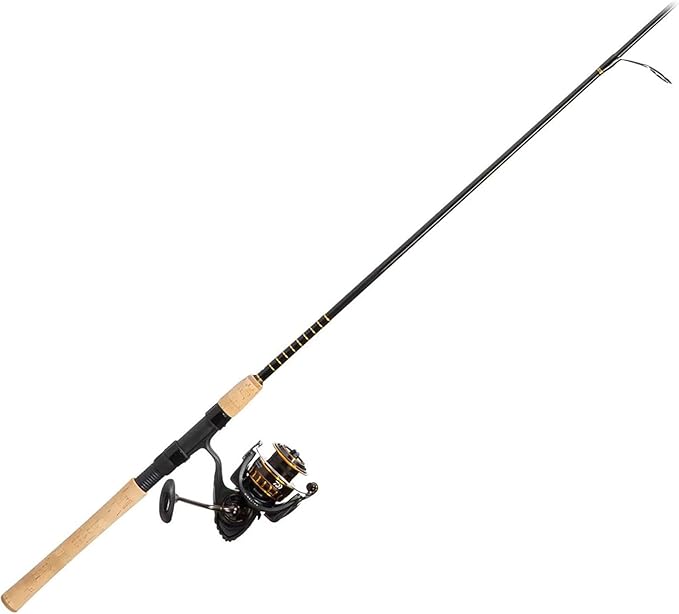
Daiwa BG Spinning Combo
Fishing License Costs by Region
To give you a more detailed picture, let’s break down the costs by region:
Northeast
- Connecticut: $32 (resident), $63 (non-resident)
- Pennsylvania: $22.90 (resident), $52.90 (non-resident)
- Rhode Island: $18 (resident), $35 (non-resident)
Southeast
- Florida: $17 (resident, freshwater or saltwater), $47 (non-resident, freshwater or saltwater)
- Georgia: $15 (resident), $50 (non-resident)
- Alabama: $16.15 (resident, freshwater), $28.50 (resident, saltwater), $52.60 (non-resident, freshwater), $61.35 (non-resident, saltwater)
Midwest
- Illinois: $15 (resident), $31.50 (non-resident)
- Indiana: $23 (resident), $60 (non-resident)
West
- California: $61.82 (resident), $166.89 (non-resident)
- Colorado: $39.71 (resident), $111.03 (non-resident)
- Oregon: $44 (resident), $110.50 (non-resident)
Alaska and Hawaii
- Alaska: $20 (resident), $100 (non-resident)
- Hawaii: $6 (resident), $26 (non-resident)
Factors Affecting Fishing License Costs
Several factors contribute to the variation in fishing license costs across states:
- Residency: Non-resident licenses are typically more expensive than resident licenses.
- Type of fishing: Some states have different prices for freshwater and saltwater fishing licenses.
- Duration: While this guide focuses on annual licenses, many states offer short-term options at different price points.
- Age: Many states offer discounted licenses for seniors and youth.
- Conservation needs: States with more extensive conservation programs may have higher license fees to support these efforts.
Additional Considerations
When budgeting for your fishing license, keep in mind:
Stamps and Endorsements Some states require additional stamps or endorsements for specific types of fishing. For example:
- Trout stamps are often required for trout fishing
- Saltwater endorsements may be necessary for coastal fishing
Combination Licenses Many states offer combination licenses that include both fishing and hunting privileges, often at a discounted rate compared to purchasing separate licenses.
Multi-Year Options Some states provide multi-year license options, which can offer savings for committed anglers.
How to Purchase a Fishing License
Most states offer multiple ways to purchase a fishing license:
- Online through the state's fish and wildlife department website
- At local sporting goods stores or bait shops
- By phone
- At state fish and wildlife offices
For convenience, online purchasing is often the preferred method for many anglers.
The Impact of Fishing License Revenue
Understanding where your license fees go can provide context for the costs:
- Habitat conservation: A significant portion of license revenue goes towards protecting and improving fish habitats.
- Fish stocking programs: Many states use license fees to fund fish stocking in public waters.
- Education and outreach: License revenue often supports angler education programs and public outreach initiatives.
- Law enforcement: Fees help fund the work of conservation officers who enforce fishing regulations.
By purchasing a fishing license, you’re not just gaining the right to fish; you’re contributing to the preservation and enhancement of fishing resources for future generations.