
Michigan Fishing License Options and Costs for 2024
Michigan’s Department of Natural Resources (DNR) provides several fishing license options to accommodate both residents and non-residents. Here’s a breakdown of the current license types and their associated costs:
Annual Licenses
- Resident All-Species Annual License: $26
- Non-Resident All-Species Annual License: $76
- Senior Resident (65+ or legally blind) Annual License: $11
Short-Term Licenses
- 24-Hour All-Species License (Resident or Non-Resident): $10
- 72-Hour All-Species License (Non-Resident): $30
Special Licenses
- Voluntary Youth All-Species Annual License (Under 17): $2
All annual licenses are valid from March 1, 2024, through March 31, 2025, providing anglers with 13 months of fishing opportunities.
Long-Term Fishing Opportunities in Michigan
While Michigan doesn’t currently offer a lifetime fishing license, there are several ways to maximize your fishing opportunities and potentially save money in the long run:
1. Annual License Renewal
For avid anglers, purchasing an annual license each year is the most cost-effective option. At $26 for residents, the annual license provides excellent value, especially when compared to the daily rate of $10.
2. Senior Discounts
Michigan residents aged 65 and older can take advantage of the significantly discounted senior annual license at just $11. This represents a substantial saving over the standard resident rate and encourages lifelong participation in the sport.
3. Combination Licenses
For those who enjoy both hunting and fishing, Michigan offers a combination license that includes base hunting, two deer tags, and an all-species fishing license:
- Resident Hunt/Fish Combo: $76
- Non-Resident Hunt/Fish Combo: $266
- Senior (65+) Hunt/Fish Combo: $43
These combination licenses can offer significant savings for outdoor enthusiasts who participate in both activities.
How to Purchase a Michigan Fishing License
Michigan has made it convenient for anglers to obtain their fishing licenses through various channels:
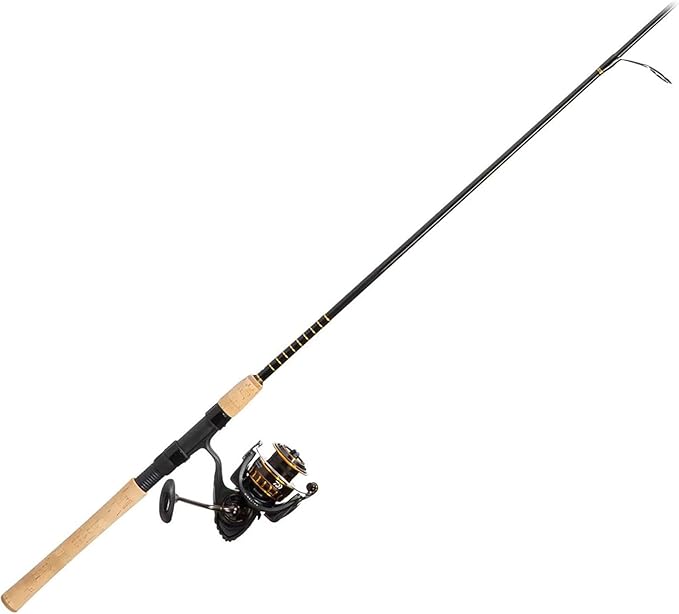
Daiwa BG Spinning Combo
- Online: Visit the Michigan DNR website (Michigan.gov/DNRLicenses) to purchase and download your license instantly.
- Mobile App: Use the Michigan DNR Hunt Fish mobile application for on-the-go license purchases.
- In-Person: Visit authorized retailers, including bait shops, sporting goods stores, and some large retailers like Walmart.
- DNR Customer Service Centers: Purchase your license directly from DNR offices across the state.
When purchasing a license, residents will need to provide proof of residency, such as a valid Michigan driver’s license or social security number.
Fishing Regulations and Conservation Efforts
Michigan’s fishing regulations are designed to protect and sustain the state’s diverse aquatic ecosystems. Here are some key points to remember:
- License Requirements: All anglers 17 years and older must have a valid fishing license.
- Catch Limits: Specific daily catch and size limits apply to different fish species and water bodies. Consult the Michigan Fishing Guide for detailed information.
- Special Regulations: Some water bodies have specific regulations, such as catch-and-release only or artificial lures only. Always check local regulations before fishing.
- Invasive Species Prevention: Anglers are required to take measures to prevent the spread of invasive species, such as cleaning boats and equipment between water bodies.
Conservation and Future of Michigan Fishing
The revenue generated from fishing license sales plays a crucial role in conservation efforts across the state. These funds support:
- Fish stocking programs
- Habitat restoration projects
- Fisheries research and management
- Public access improvements
As climate change continues to impact Michigan’s waterways, the DNR is actively monitoring and adapting management strategies to protect vulnerable fish populations, particularly in coldwater streams.