
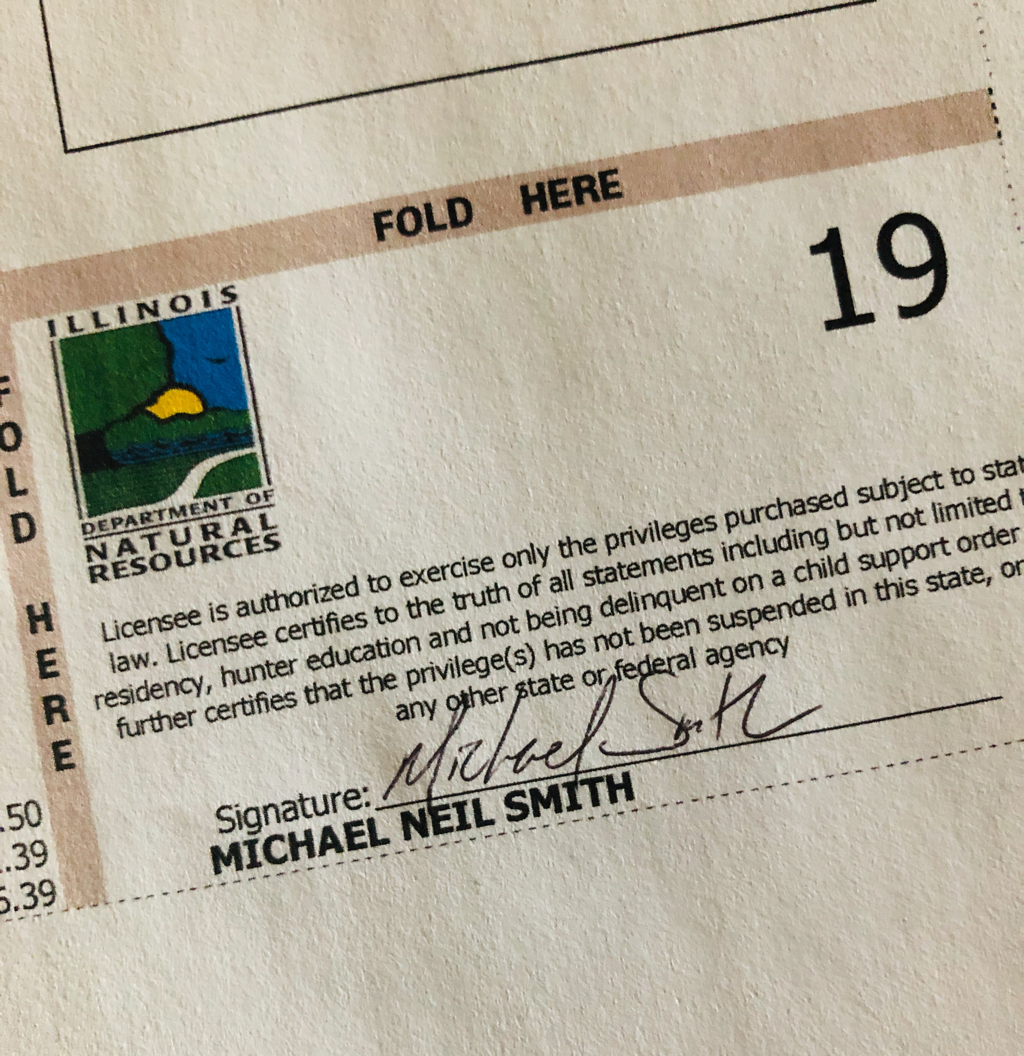
The Importance of Your Fishing License Number
Your fishing license number is a unique identifier that proves you have legal permission to fish in a particular state or body of water. Here’s why it’s so crucial:
1. Legal Compliance
Fishing without a valid license is illegal in most areas and can result in significant fines. Your license number is the quickest way for conservation officers to verify your compliance with local fishing regulations. By having this number readily available, you can avoid potential legal issues and enjoy your fishing experience worry-free.
2. Conservation Efforts
License fees fund important conservation and habitat restoration projects. Your fishing license number is directly tied to these efforts, as it helps wildlife agencies track and manage fishing activities in various regions. By maintaining and using your license properly, you’re actively contributing to the preservation of aquatic ecosystems for future generations.
Daiwa BG Spinning Combo
3. Convenience
Having your license number handy makes it easy to renew your license or purchase additional permits. Many states now offer online renewal systems where your license number serves as your account identifier, streamlining the process and saving you time.
4. Identification
Conservation officers may ask for your license number during routine checks. Being able to provide this information quickly and accurately demonstrates your commitment to responsible fishing practices and can help build positive relationships with local wildlife authorities.
Where to Find Your Fishing License Number
Depending on how you purchased your license, there are several places you might find your fishing license number:
1. Physical License
If you have a paper or plastic license, your number should be clearly printed on it. It’s typically a series of numbers and letters near the top of the license. For example, in California, the license number is prominently displayed at the top of the document, usually starting with a letter followed by several numbers.
2. Digital License
Many states now offer digital licenses through mobile apps. Your license number will be displayed prominently within the app. For instance, Florida’s Fish|Hunt FL app allows you to store and display your license information directly on your smartphone.
3. Email Confirmation
If you purchased your license online, check your email for a confirmation message. It should include your license number. This is especially useful if you haven’t received your physical license yet or if you’ve misplaced it.
4. State Fish and Wildlife Website
Most state agencies allow you to log in to their website to view your license information, including your license number. For example, the Texas Parks and Wildlife Department offers an online portal where you can access your license details.
5. Retailer Receipt
If you bought your license at a sporting goods store or bait shop, check your receipt. The license number is often printed there as a backup reference.
Tips for Keeping Your License Number Accessible
- Take a Photo: Snap a picture of your physical license with your smartphone for easy reference. This method is particularly useful for quick access, but remember that some states may require you to have the actual license on hand.
- Save to Digital Wallet: Many states allow you to add your digital license to Apple Wallet or Google Pay. This feature makes it easy to access your license information even without an internet connection.
- Create a Note: Store your license number in a note-taking app on your phone. This simple method ensures you always have the information at your fingertips.
- Write It Down: Keep a small card with your license number in your tackle box or wallet. This old-school method is reliable and doesn't depend on technology.
- Use a License Holder: Invest in a waterproof license holder that attaches to your fishing vest or tackle box. This not only protects your license but also keeps it easily accessible.
What to Do If You Can’t Find Your License Number
If you’ve misplaced your license or can’t remember your number, don’t panic. Here are some steps you can take:
- Contact Your State Agency: Call or visit the website of your state's fish and wildlife department. They can usually look up your information with your name and date of birth. For example, the Florida Fish and Wildlife Conservation Commission offers a toll-free number (888-FISH-FLORIDA) for license-related inquiries.
- Visit a License Vendor: Many sporting goods stores and bait shops can look up your license information. They often have direct access to the state's licensing system.
- Purchase a Replacement: If all else fails, you may need to buy a replacement license. Some states offer this service online or through their mobile app. While this involves an additional cost, it ensures you're fishing legally.
The Consequences of Fishing Without a License
Fishing without a valid license or failing to produce your license number when asked can lead to serious consequences:
- Fines: Penalties can range from $100 to over $1,000, depending on the state and circumstances. These fines are often much higher than the cost of purchasing a license in the first place.
- Legal Action: In some cases, you may be required to appear in court. This can result in additional legal fees and a mark on your record.
- License Revocation: Repeat offenses can result in losing your fishing privileges for an extended period. This can be particularly devastating for avid anglers.
- Equipment Confiscation: Conservation officers may seize your fishing gear if you're found fishing without a valid license. This can be a significant financial loss on top of any fines.
- Impact on Conservation: Unlicensed fishing undermines crucial conservation efforts funded by license fees. It can lead to overfishing and damage to aquatic ecosystems.
Real-World Example: A Close Call on the Lake
A few years ago, I was fishing on a remote lake when a conservation officer approached my boat. He asked to see my license, and for a heart-stopping moment, I couldn’t find it. Luckily, I had saved a photo of my license on my phone. The officer accepted this as proof, but it was a wake-up call. Since then, I’ve made sure to always have multiple ways to access my license number.
This experience taught me the importance of being prepared. It’s not just about avoiding fines; it’s about respecting the regulations that keep our fishing spots thriving for years to come.
State-Specific License Information
Each state has its own unique requirements and systems for fishing licenses. Here’s a brief overview of some state-specific information:
Florida
Florida offers a user-friendly system for managing fishing licenses. The Fish|Hunt Florida mobile app allows anglers to renew, purchase, and store licenses on their smartphones or tablets. This digital approach makes it easy to access your license number at any time.
California
California’s Department of Fish and Wildlife provides an online license sales and service website where anglers can purchase licenses and view their license information. The state also offers a mobile app for storing digital licenses.
Texas
The Texas Parks and Wildlife Department offers an online portal for license purchases and management. They also provide a mobile app that allows users to store digital copies of their licenses and access their license numbers easily.