
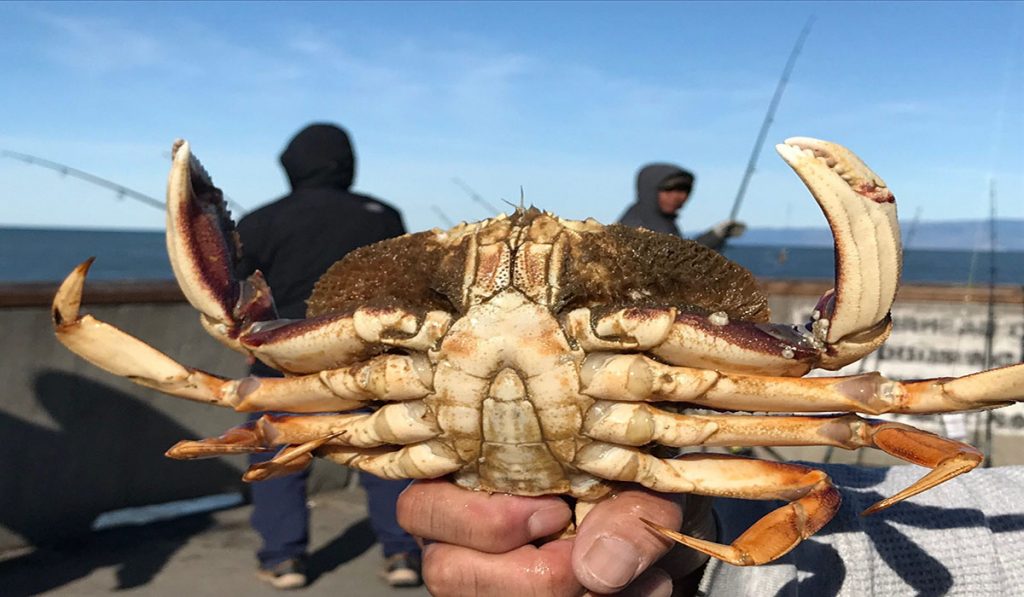
Crabbing in California is a popular recreational activity that allows enthusiasts to enjoy the state’s rich marine resources. However, before you head out with your gear, it’s essential to understand the licensing requirements. This guide will clarify when you need a fishing license for crabbing and provide important information on regulations and best practices.
Do You Need a Fishing License for Crabbing in California?
A California fishing license is typically required for recreational crabbing. However, specific exceptions exist where a license isn’t necessary. Here’s what you need to know:
License Requirements
| Scenario | License Required? |
|---|---|
| Public Pier Crabbing | No |
| Under 16 Years Old | No |
| Free Fishing Days | No |
| Boat/Kayak Crabbing | Yes |
| Shore Crabbing | Yes |
| Using Crab Traps/Hoop Nets | Yes |
When You Don’t Need a Fishing License
Public Pier Crabbing
No license is required when crabbing from public piers in ocean or bay waters. Other regulations still apply.
Young Anglers
Children under 16 can crab without a fishing license. They must possess appropriate report cards for specific species like Dungeness crab.
Free Fishing Days
The California Department of Fish and Wildlife (CDFW) designates two annual free fishing days. In 2025, these days are July 5 and September 6.
Types of California Fishing Licenses for Crabbing
Resident Fishing Licenses
California residents, defined as those living in the state for at least six months, have several options for crabbing licenses:
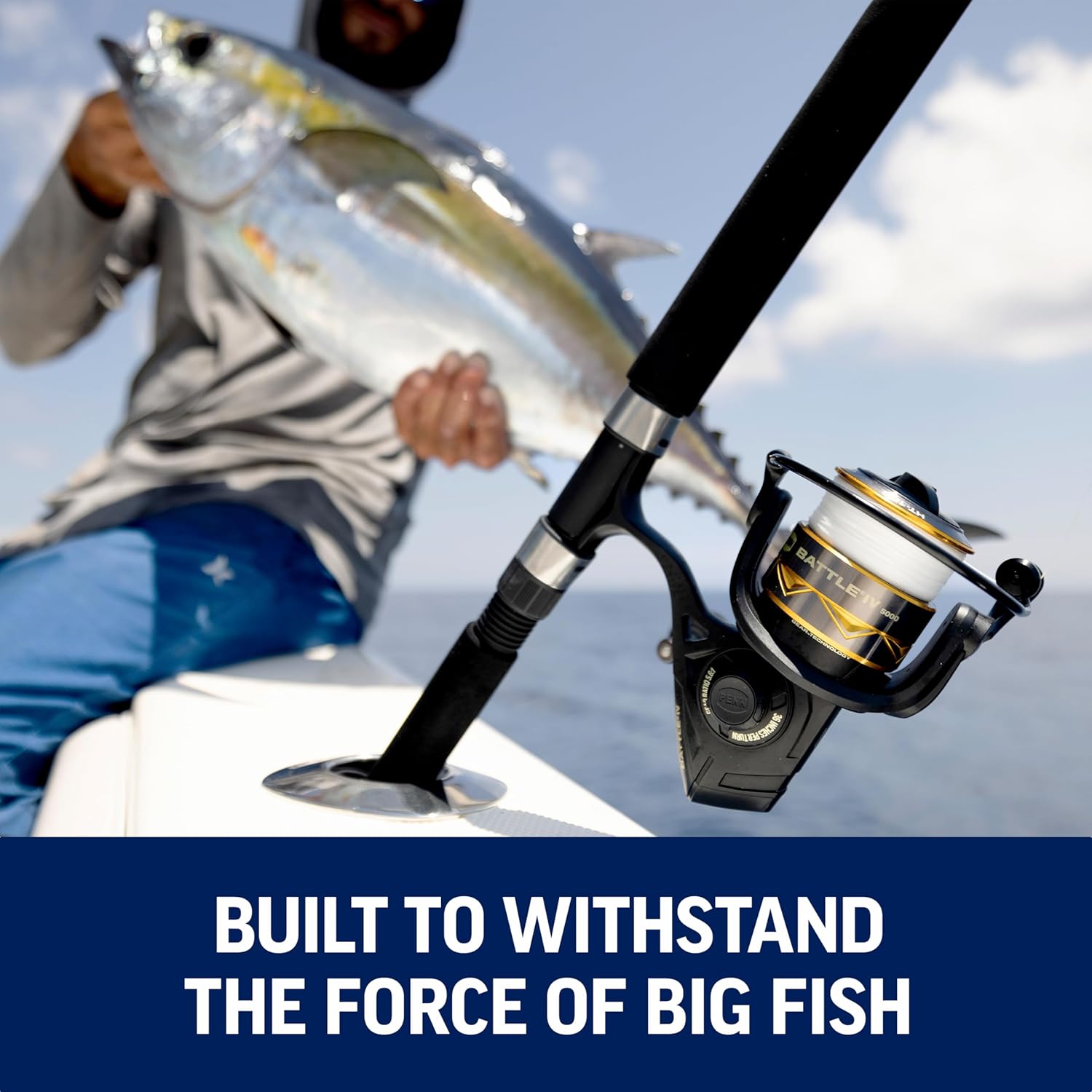
Penn Battle III Surf Spinning Combo
- Annual Resident Sport Fishing License: $61.82 (valid for 365 days)
- One-Day Resident Sport Fishing License: $17.54 (valid for one calendar day)
- Two-Day Resident Sport Fishing License: $25.10 (valid for two consecutive days)
These licenses include crabbing privileges, but for crab trapping, an additional Recreational Crab Trap Validation ($2.98 for 2025) is required. This validation is essential for anyone using crab traps as defined in California Code of Regulations, Title 14, Section 29.80(c).
Non-Resident Fishing Licenses
For those who haven’t resided in California for at least six months, non-resident options include:
- Annual Non-Resident Sport Fishing License: $166.89 (valid for 365 days)
- One-Day Non-Resident Sport Fishing License: $17.54 (valid for one calendar day)
- Two-Day Non-Resident Sport Fishing License: $25.10 (valid for two consecutive days)
- Ten-Day Non-Resident Sport Fishing License: $54.00 (valid for ten consecutive days)
Special Considerations for Crabbing
When engaging in recreational crabbing, it’s crucial to be aware of specific regulations:
- Trap Requirements: All recreational crab traps must have at least two unobstructed escape holes or rings, with a minimum diameter of 105 mm.
- Time Restrictions: In certain Pacific Fishery Management Areas (PFMAs 14, 16-19, 28, and 29), setting or hauling crab gear is only permitted from one hour before sunrise to one hour after sunset.
- Bait Regulations: Hanging bait bans are in effect in specific areas, including Areas E Tofino, H, I, J, and B.
For the most up-to-date information on crabbing regulations and license fees, visit the California Department of Fish and Wildlife website.
Seasonal Considerations for 2025
The commercial Dungeness crab fishery for the 2025 season will open in two phases:
- Central Management Area (Sonoma/Mendocino county line to U.S./Mexico border): Opens January 5, 2025
- Northern Management Area (California/Oregon border to Sonoma/Mendocino county line): Opens January 15, 2025
These dates reflect ongoing efforts to balance sustainable fishing practices with marine wildlife protection. Recreational crabbers should check for any updates or changes to these dates as the season approaches.
Additional Requirements for Crabbing in California
Licensing and Validations
To legally engage in crabbing activities in California, you’ll need more than just a standard fishing license. Here are the essential requirements:
- Recreational Crab Trap Validation: A $2.42 fee is mandatory for anyone using crab traps, even from piers. This validation can be purchased online through the California Department of Fish and Wildlife (CDFW) website.
- Dungeness Crab Report Card: If you're specifically targeting Dungeness crab, you must obtain this report card. It's crucial for monitoring the harvest and ensuring sustainable fishing practices.
- Spiny Lobster Report Card: Priced at $12.14, this card is required for those catching spiny lobster. It helps track the catch of this valuable species.
Where to Obtain Licenses and Cards
Conveniently, you can acquire these licenses, validations, and report cards through multiple channels:
- Online: Visit the CDFW website for easy digital purchases.
- In-person: Various license agents, including many sporting goods stores, offer these items.
California Crabbing Regulations for 2025
Understanding and adhering to California’s crabbing regulations is essential for a successful and legal crabbing experience. Here’s what you need to know for the 2025 season:
Dungeness Crab Regulations
- Season: Early November 2024 to late June/July 2025 (varies by region)
- Bag Limit: 10 crabs per person
- Size Limit: Minimum 5.75 inches measured across the carapace
- Gear Restrictions: Only crab traps, hoop nets, or hand lines permitted; commercial gear prohibited
Rock Crab Regulations
- Season: Open year-round
- Bag Limit: 35 crabs of any species combined
- Size Limit: Minimum 4 inches measured across the carapace
- Gear Restrictions: Hoop nets, crab snares, or hand only
Spiny Lobster Regulations
- Season: Early October 2024 to mid-March 2025
- Bag Limit: 7 lobsters per person
- Size Limit: Minimum 3.25 inches carapace length
- Gear Restrictions: Hoop nets or hand only; traps not allowed
Important Considerations
- Always check the latest CDFW regulations before your crabbing trip, as seasons and limits can change annually.
- Be aware that engaging in illegal crabbing practices can result in citations and fines.
- The commercial Dungeness crab fishery for the 2025 season in the Central Management Area (Sonoma/Mendocino county line to the U.S./Mexico border) opens on January 5, 2025, with a 50% trap reduction to protect marine wildlife.
By following these regulations and obtaining the necessary licenses and validations, you’ll contribute to the sustainable management of California’s crab populations while enjoying this popular recreational activity.
Essential Tips for a Successful California Crabbing Adventure in 2025
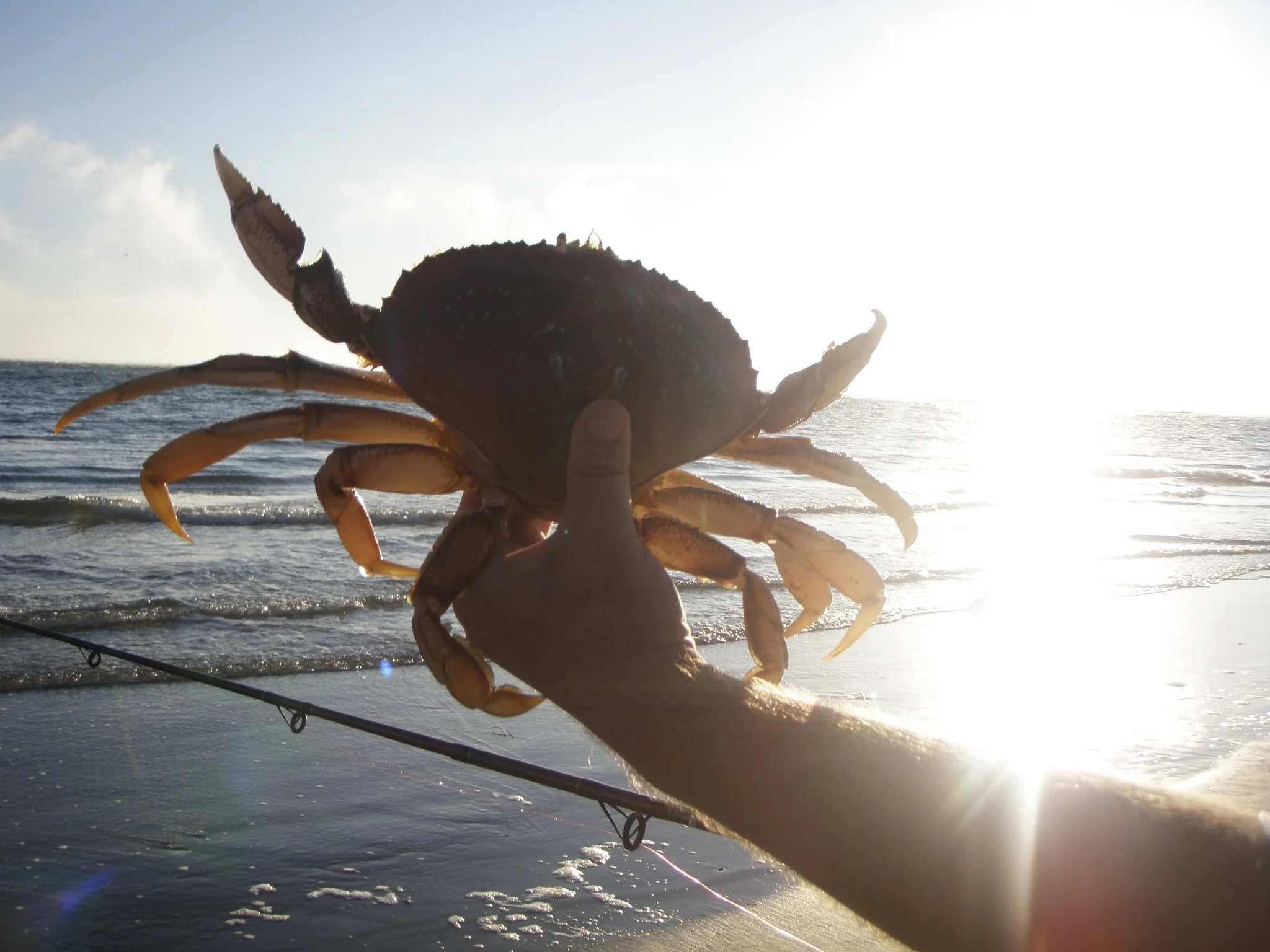
Preparation Checklist
- Secure licenses and validations early
- Invest in quality gear (traps, nets, bait, measuring gauges)
- Research productive locations (public piers or boat rentals)
- Learn proper gear setting and retrieval techniques
- Practice safe crab handling and measuring
- Keep catch fresh on ice
- Follow all CDFW regulations strictly
Best Practices for Crabbing Success
Timing is crucial for a fruitful crabbing expedition. The prime Dungeness crab season in California typically runs from November to June, with peak months being November through January. For the 2025 season, commercial crabbing in Central California opens on January 5, with a 50% trap reduction to protect marine life.
Location selection can significantly impact your catch. Popular spots include:
- Bodega Bay (November-June)
- San Francisco Bay (late fall and winter)
- Humboldt Bay (year-round)
- Monterey Bay (Dungeness in winter, rock crabs year-round)
- Catalina Island (rock and red crabs)
Gear essentials for a successful crabbing trip:
- High-quality traps or pots (ring traps for beginners, robust pots for larger crabs)
- Effective bait (fish heads, squid, chicken necks)
- Accurate measuring gauge (minimum size for Dungeness: 5.75 inches)
- Protective gloves and crab tongs
- Clearly marked buoys and durable ropes
Sustainable Crabbing Practices
To ensure the longevity of California’s crab populations:
- Adhere to size limits, seasonal restrictions, and daily catch quotas
- Use traps with escape rings for undersized crabs
- Participate in lost gear retrieval programs
Remember: Crab legally and sustainably for an exhilarating coastal experience. Visit the CDFW website for current licensing and regulation details.
Can I crab from a friend's private pier or dock?
Yes, but you will need a valid California fishing license, even if crabbing from a private dock or pier.
Do I need a license to go crabbing from a beach or shoreline?
Yes, a fishing license is required when crabbing from any beach, shoreline, or other areas besides public piers.
Can I use crab rings or crab loops without a license?
No, any type of crabbing gear like traps, rings, loops, or nets requires a valid fishing license, except when crabbing from a public pier.
Where can I find the latest crabbing regulations?
The California Department of Fish and Wildlife website at wildlife.ca.gov has the most up-to-date crabbing rules, seasons, and limits.
Do I need to keep crabbing records or return report cards?
Yes, if you are required to have a report card for the species you are crabbing for, you must return it to CDFW by the specified date with your catch information.