
Fishing in Ohio is a cherished tradition that allows residents and visitors alike to connect with nature and enjoy the great outdoors. However, before you cast your line, it’s crucial to understand the importance of obtaining an Ohio fishing license for legal and responsible fishing. This guide will provide you with everything you need to know about fishing licenses in Ohio, including types, costs, application processes, and regulations.
Understanding the Importance of Obtaining an Ohio Fishing License
Obtaining a fishing license in Ohio is not just a legal requirement; it also supports conservation efforts that help maintain healthy fish populations and ecosystems. Fishing licenses provide funding for wildlife management, habitat restoration, and educational programs aimed at promoting sustainable fishing practices. By purchasing a license, anglers contribute to the protection of Ohio’s aquatic resources, ensuring that future generations can enjoy the same opportunities.
Types of Fishing Licenses Available in Ohio
Ohio offers various fishing licenses tailored to meet the needs of different anglers. Understanding these options is essential for compliance with state regulations.
Resident Licenses: Duration and Costs
Ohio residents can choose from several types of licenses:
- 1-Day License: $14.00
- 1-Year License: $25.00
- 3-Year License: $72.11
- 5-Year License: $120.18
- 10-Year License: $240.36
- Lifetime License: $599.04 (discounted rates available for seniors)
These licenses allow residents to fish in public waters across the state.
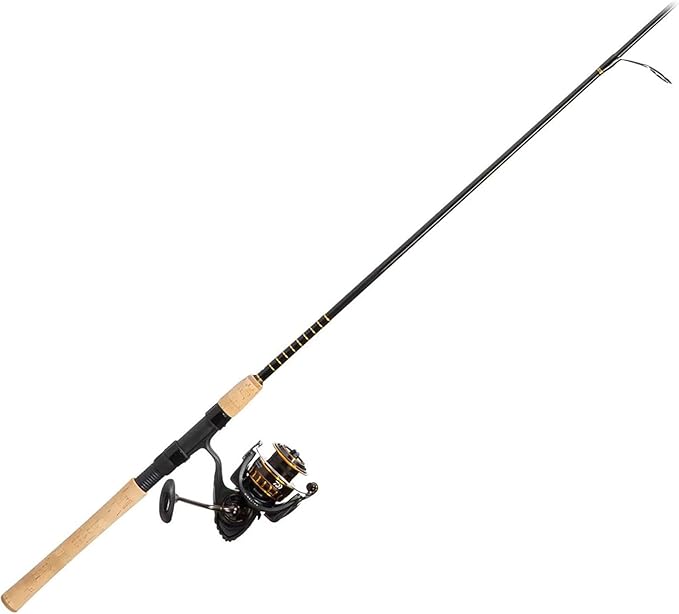
Daiwa BG Spinning Combo
Non-Resident Licenses: Duration and Costs
Non-residents have their own set of options:
- 1-Day License: $14.00
- 3-Day License: $25.00
- 1-Year License: $50.96
Non-residents can also upgrade their 1-Day License to a 1-Year License by paying an additional fee.
Special Licenses: Youth, Senior, and Free Licenses
Certain groups can benefit from special licensing options:
- Youth Fishing License: Free for individuals under 16 years old.
- Senior Fishing License: Reduced rates for residents aged 66 and older.
- Free Licenses: Available for specific groups such as disabled veterans or those born before December 31, 1937.
How to Apply for an Ohio Fishing License
Obtaining an Ohio fishing license is straightforward with multiple purchasing options available.
Online Application Process
The easiest way to secure your license is through the official Ohio Department of Natural Resources (ODNR) website:
- Visit the ODNR website.
- Click on “Buy Your Fishing License.”
- Select “Purchase Your Fishing License Online.”
- Complete the required information and make your payment.
Once processed, you can print your license or keep a digital copy on your mobile device.
In-Person Purchase Options
You can also buy your fishing license at various authorized vendors throughout the state:
- Sporting goods stores
- Bait shops
- Gas stations
Make sure to check local availability before heading out.
Requirements for Application
To apply for a fishing license, you’ll need:
- Proof of residency (for resident licenses)
- A valid form of identification (e.g., driver's license)
- Social Security Number (required for online applications)
Understanding Fishing Regulations in Ohio
Ohio has specific regulations governing fishing practices to ensure sustainability.
Fishing Seasons and Limits
Different species have designated seasons when they can be legally caught:
- For example, walleye season typically opens on January 1st.
- Daily limits vary by species; for instance, anglers may catch up to six walleye per day.
It’s essential to familiarize yourself with these regulations before heading out.
Special Permits Required for Certain Activities
Certain activities may require additional permits:
- Lake Erie Charter Boat permits are mandatory for those fishing on licensed charter boats.
- Specific trout permits are needed for designated trout areas.
Conservation Efforts and Their Importance
Anglers play a crucial role in conservation efforts aimed at protecting aquatic ecosystems.
Role of Anglers in Conservation
By purchasing licenses, anglers contribute financially to conservation programs that help maintain healthy fish populations and habitats. According to the ODNR, funds from fishing licenses support various initiatives, including habitat restoration projects and fish stocking programs.
Best Practices for Sustainable Fishing
To promote sustainability:
- Practice catch-and-release when appropriate.
- Follow local regulations regarding size limits.
- Dispose of trash properly to protect aquatic environments.
Frequently Asked Questions about Ohio Fishing Licenses
Here are some common questions regarding fishing licenses in Ohio:
-
Who needs a fishing license?
Anyone aged 16 or older must possess a valid fishing license in public waters. -
Are there free fishing days?
Yes! Typically held on the first weekend of May each year, these days allow residents to fish without a license. -
Can I fish without a license if I'm assisting someone?
No, if you actively assist someone while they fish, you need a valid license yourself. -
What should I do if I lose my fishing license?
You can obtain a replacement by visiting an authorized vendor or through the ODNR website. -
How can I check my license status?
You can verify your license status online through the ODNR website or by contacting their customer service.