
1. Types of Fishing Licenses
Tennessee offers a variety of fishing licenses tailored to different needs. Understanding these options will help you choose the best one for your fishing activities.
Overview of Fishing Licenses for Residents and Non-Residents
Tennessee provides several fishing licenses for both residents and non-residents:
- Resident Licenses: These include annual, lifetime, and temporary options. Residents can also opt for special categories such as junior licenses and combination hunting-fishing licenses.
- Non-Resident Licenses: Non-residents have various choices, including short-term permits (3-day or 10-day) and annual licenses that cover all species or specific types.
Types of Fishing Licenses Available
- Resident Licenses:
- Annual Fishing License: Valid for one year from the date of purchase ($34).
- Junior Fishing License (ages 13-15): $10.
- Lifetime Fishing License: Prices vary based on age.
- Non-Resident Licenses:
- Annual Fishing License: $50.
- Three-Day Fishing Permit: $20 (or $40 with trout).
- Ten-Day Fishing Permit: $30 (or $61 with trout).
- Special Permits:
- Trout Permit: Required for trout fishing ($22).
For more details on license types, visit the Tennessee Wildlife Resources Agency (TWRA) website.
2. Application Requirements
To obtain a fishing license in Tennessee, you must meet certain requirements:
Who Needs a Fishing License?
In Tennessee, anyone aged 13 and older must hold a valid fishing license to fish legally. This includes both residents and non-residents.
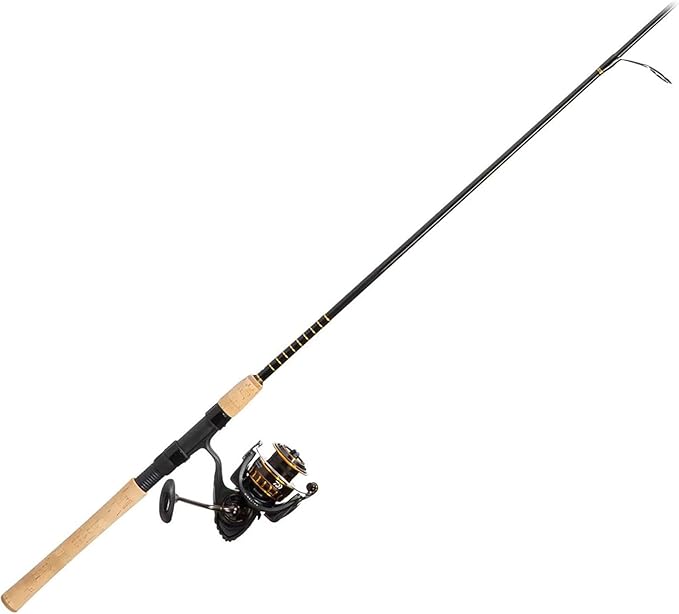
Daiwa BG Spinning Combo
Necessary Documentation for Residents and Non-Residents
- Residents: Must present a valid Tennessee driver’s license or state-issued ID as proof of residency. Additionally, social security numbers are required.
- Non-Residents: Need to provide identification but do not require proof of residency.
For specific details on application requirements, check the TWRA Licensing Information.
3. Costs and Fees
Understanding the costs associated with obtaining a fishing license is essential for budgeting your fishing trips.
Detailed Breakdown of Costs for Different License Types
The cost of fishing licenses varies based on whether you are a resident or non-resident:
- Resident Costs:
- Annual Fishing License: $34
- Junior Fishing License (ages 13-15): $10
- Lifetime Fishing License: Prices vary based on age.
- Non-Resident Costs:
- Annual Fishing License: $50
- Three-Day Permit: $20 (or $40 with trout)
- Ten-Day Permit: $30 (or $61 with trout)
Comparison of Resident and Non-Resident Fees
| License Type | Resident Cost | Non-Resident Cost |
|---|---|---|
| Annual Fishing License | $34 | $50 |
| Three-Day Permit | N/A | $20 |
| Ten-Day Permit | N/A | $30 |
| Lifetime Fishing License | Varies | N/A |
For updated pricing information, visit the Go Outdoors Tennessee website.
4. Purchase Locations
Knowing where to buy your fishing license is crucial for convenience.
Where to Buy Fishing Licenses in Tennessee
Fishing licenses can be purchased through various channels:
- Online: The easiest way is through the Go Outdoors Tennessee website, where you can complete your purchase quickly.
- In-Person: You can also buy licenses at county clerks’ offices, TWRA offices, or local retailers such as Walmart or sporting goods stores.
Online vs In-Person Purchasing Options
Purchasing online is generally faster and more convenient, while in-person purchases may offer assistance from staff if you have questions about the process.
For a list of TWRA regional office locations, visit TWRA Regional Offices.
5. Special Permits and Regulations
Certain areas in Tennessee require additional permits beyond the standard fishing license.
Overview of Areas Requiring Additional Permits
Fishing in specific locations such as Gatlinburg or Bedford’s city limits may necessitate special permits.
Catch Limits and Fishing Regulations
Tennessee has specific regulations regarding catch limits and size restrictions that every angler should be aware of:
- Free Fishing Days allow residents to fish without a license on designated days.
- Certain species may have specific size limits or catch quotas that must be adhered to ensure sustainable fishing practices.
For detailed regulations regarding catch limits and special permits, refer to the TWRA Regulations.