
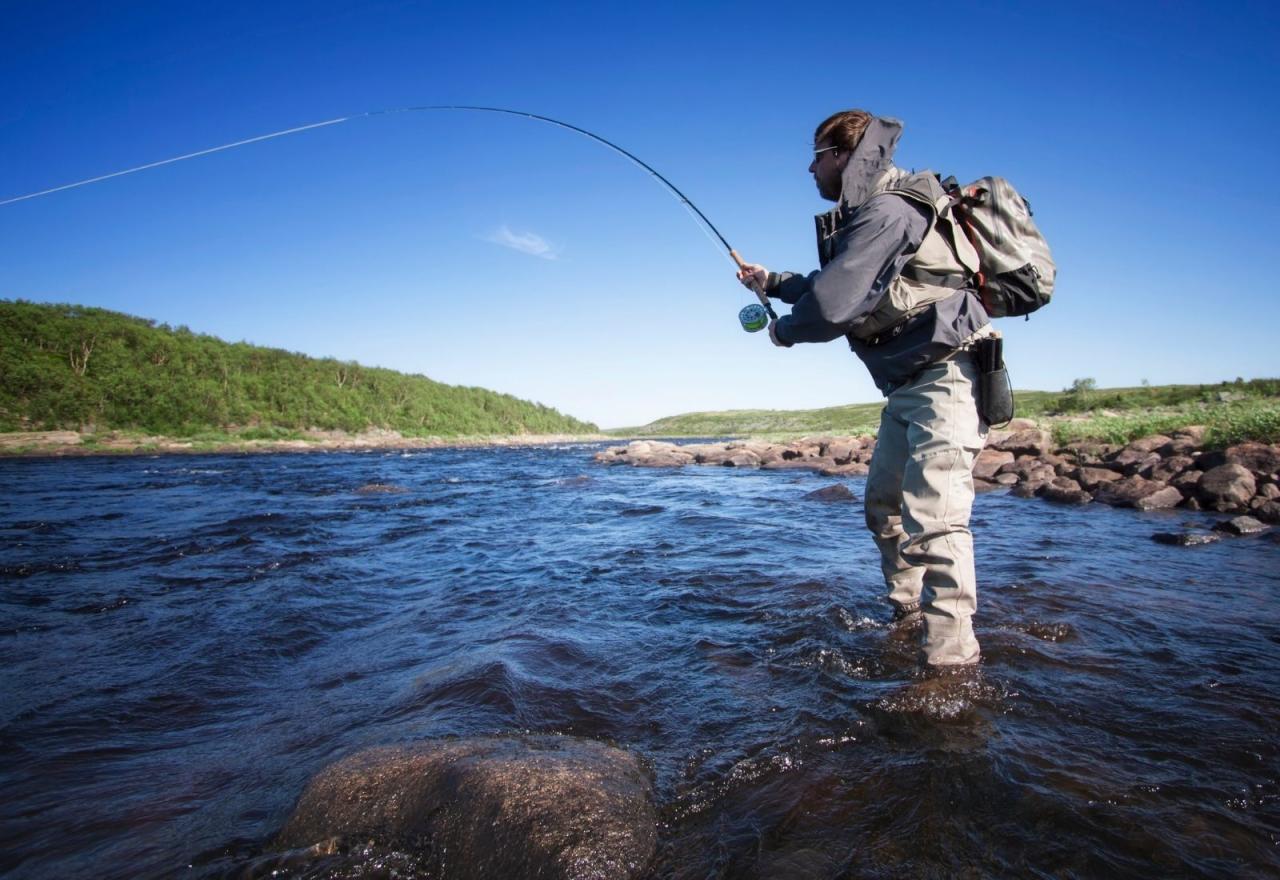
Maine is an angler’s paradise, boasting over 6,000 lakes and ponds, 32,000 miles of rivers and streams, and a picturesque coastline teeming with diverse fishing opportunities. Before casting your line, it’s essential to understand Maine’s fishing license requirements and regulations. This comprehensive guide covers everything you need to know about fishing licenses in Maine, including who needs one, how to obtain a license, and the rules you must follow. We’ll also highlight the unique license-free fishing opportunities available in the state.
Who Needs a Fishing License in Maine?
In Maine, anyone 16 years of age or older must have a valid fishing license to fish in inland waters or transport fish taken from inland waters. This applies to both residents and non-residents. However, there are a few exceptions:
- Maine residents and non-residents under 16 years old may fish without a license.
- Maine residents may fish without a license from land to which they are legally entitled to possession, on which they are actually domiciled, and which is used exclusively for agricultural purposes.
- Maine residents who are blind, Maine residents (and non-residents if reciprocal privileges exist in their home state) who have lost, or lost the use of, both lower extremities, residents in the custody of the Department of Health and Human Services who are 16 or 17 years old, and persons with a developmental disability or a head injury are eligible for a free complimentary fishing license.
How to Obtain a Maine Fishing License
Residents and non-residents can purchase fishing licenses from the Maine Department of Inland Fisheries & Wildlife in several convenient ways:
- Online at the Maine Department of Inland Fisheries & Wildlife website. You can purchase licenses any time of day and print your license at home in minutes.
- From an agent such as sporting goods stores, many convenience stores, town clerks offices, and turnpike service centers throughout the state.
- At the Maine Department of Inland Fisheries & Wildlife main office in Augusta.
A variety of license types are available, including season fishing, 1-day, 3-day, 7-day, 15-day and lifetime licenses. License fees vary based on license type, residency, and age. For example, a resident season fishing license costs $25, while a non-resident season license is $64. Maine also offers combination hunting and fishing licenses. Refer to the license fee table for a full list of license types and prices.
When fishing, you must keep your license with you at all times and exhibit it upon request from a warden, department employee, guide or landowner. An electronic license on your phone is now acceptable.
License-Free Fishing Opportunities in Maine
While a fishing license is required in most situations, Maine provides some unique license-free fishing opportunities:
Free Fishing Weekends
Maine offers two free fishing weekends each year, typically in February and June, when anyone (except those whose license has been suspended or revoked) can fish without a license. All other laws and regulations apply on these days. The free fishing weekends for 2024 are February 17-18 and June 1-2.
Private Ponds
If you own a private pond of 10 acres or less in Maine, you and your family may fish there without a license.
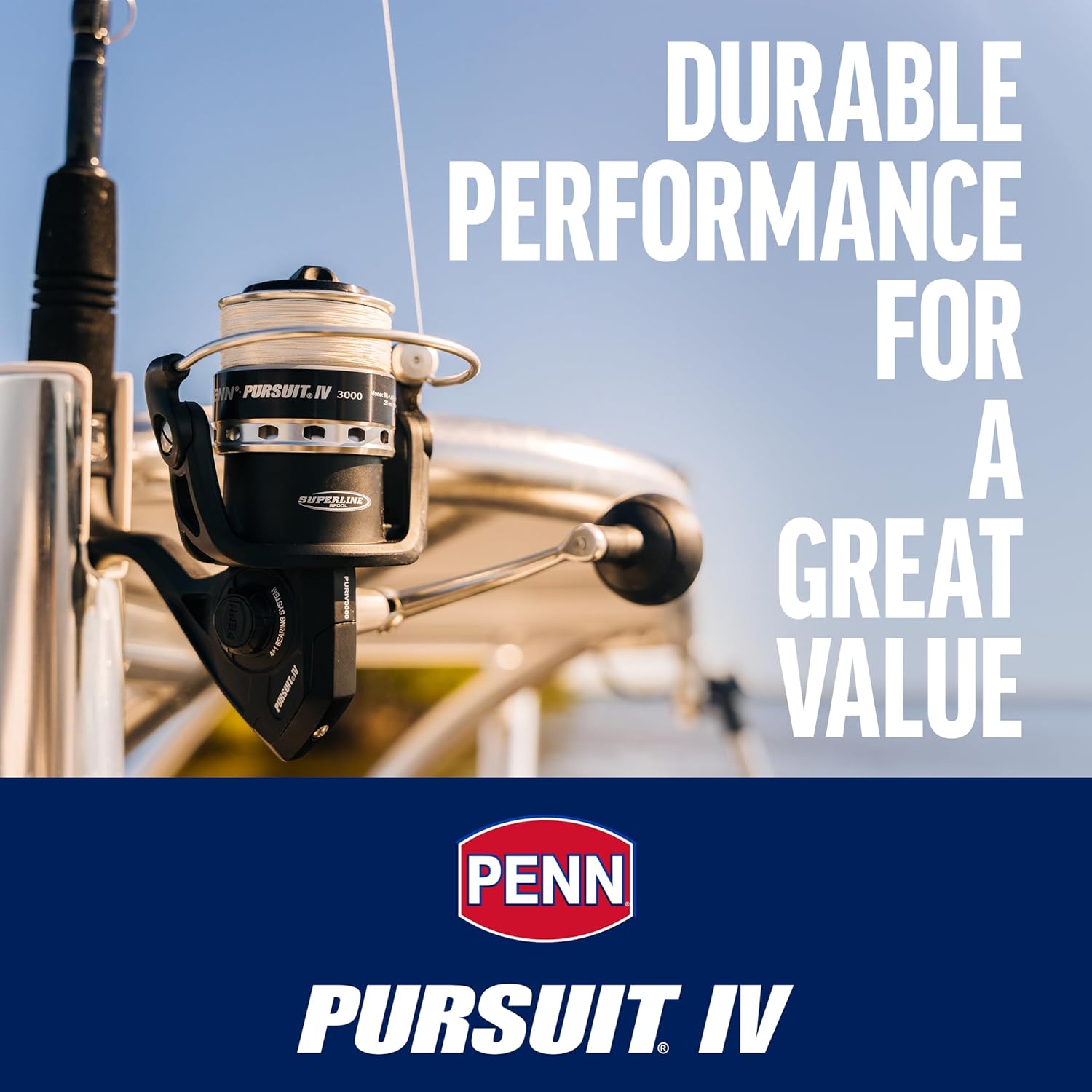
Penn Pursuit IV Spinning Combo
Fishing at Certain Organizations
Non-profit summer camps, schools or other organizations that provide free instruction in fishing may allow fishing without a license at their facilities, under supervision and with a permit from the Maine Department of Inland Fisheries & Wildlife.
Maine Fishing Rules and Regulations
In addition to obtaining the appropriate fishing license, anglers in Maine must follow the state’s fishing rules and regulations:
- Fishing seasons, bag limits and length limits vary by waterbody and region. Maine is divided into the North and South zones, with different general law seasons and limits for each. Always check the special fishing laws for the specific water you plan to fish.
- The use or possession of live fish as bait is prohibited in the North Zone. Only artificial lures and flies are permitted. In the South Zone, all forms of legal bait and artificial lures are allowed.
- Daily bag limits are in effect for trout, landlocked salmon, togue (lake trout), bass, whitefish and smelts. No minimum length limits exist for bass in the North Zone.
- It is illegal to introduce fish into any inland waters without a permit. It is also illegal to dump unused baitfish into any waterway.
- Certain fish species like Atlantic salmon, sturgeon, shad and eels are protected and must be released immediately if caught.
- Fishing is prohibited in some waters, including those with S-7 and S-9 special codes. Always consult the special fishing laws.
Saltwater Fishing in Maine
A saltwater recreational fishing license or registration is generally required to fish in Maine’s coastal waters, with some exceptions:
- If you are under 16 years of age, hold a valid Maine freshwater fishing license, or are a Maine resident fishing on Memorial Day weekend, July 4th, or Labor Day weekend, you do not need to register.
- Members of the Passamaquoddy Tribe, Penobscot Nation, Houlton Band of Maliseet Indians or Aroostook Band of Micmacs are also exempt from registering.
- If fishing as a passenger on a charter or party boat captained by an individual with a valid recreational saltwater fishing operator's license, you do not need an individual license.
You can register for saltwater fishing in person at the town clerk’s office or online. Proof of registry or exemption must be carried while fishing.
Patience and skill were rewarded when I hooked a magnificent 20-inch landlocked salmon. The thrill of the catch was amplified by the stunning natural surroundings. For anyone planning a trip to Maine’s license-free fishing zones, I highly recommend aligning your visit with the Free Fishing Weekends and taking the time to appreciate the tranquility of nature. Remember, fishing isn’t just about the catch; it’s about the entire experience and the connections you make with the environment.
Navigating Fishing Regulations as a Newcomer
Navigating fishing regulations can be tricky, especially for newcomers. One common misconception is that license-free zones have no rules at all. While you can fish without a license in these designated areas, it’s crucial to understand that other regulations, such as bag limits, size restrictions, and gear rules still apply.
I recall catching an undersized brook trout in a license-free zone and having to release it back into the water. This experience underscored the importance of familiarizing myself with the regulations. These rules are in place to protect fish populations and ensure sustainable fishing for future generations. By understanding and respecting these guidelines, anglers not only avoid disappointment but also foster a sense of stewardship for the environment.
Another misconception is that fishing in license-free zones guarantees an easy catch. While these areas provide excellent opportunities, fishing still requires patience, skill, and a bit of luck. I’ve had days where I didn’t catch a single fish, but the beauty of my surroundings and the peacefulness of the experience made it worthwhile. Fishing is about so much more than just the catch.
The Personal Joys of Fishing in Maine
For me, fishing in Maine’s license-free zones is a deeply personal and enriching experience. It’s an opportunity to connect with nature, find solace in the tranquility of the surroundings, and escape the stresses of everyday life. The pristine lakes, rushing rivers, and picturesque coastline serve as a backdrop for moments of profound peace and self-reflection.
In a fast-paced, technology-driven society, the act of fishing becomes a meditative practice, a way to slow down and appreciate the present moment. The rhythmic motion of casting, the gentle lapping of water against the shore, and the anticipation of a bite on the line all contribute to a sense of mindfulness and connection.
Fishing in Maine’s license-free zones has taught me patience, humility, and respect for the environment. It has provided me with a deeper appreciation for the delicate balance of ecosystems and the importance of conservation. Each time I venture out onto the water, I am reminded of my small place in the grand scheme of nature and the responsibility we all share in preserving these precious resources.