

The Patchwork of State Regulations
Just as fish species vary from one body of water to another, fishing regulations for felons differ significantly across the United States. There’s no one-size-fits-all answer, as each state has its own set of rules and restrictions.
In some states, felons face no restrictions on obtaining a fishing license, while others impose temporary or permanent bans. This patchwork of regulations can be as challenging to navigate as a boat through a field of submerged stumps.
For example, in Illinois, the 2024 Fishing Regulations guide doesn’t explicitly mention restrictions for felons. However, it does use a point system for violations, with Class 3 Felonies or higher resulting in 60 points. This suggests that while felons may be able to obtain a fishing license, past offenses could impact their standing.
In contrast, Texas takes a stricter approach. The Parks and Wildlife Code § 12.5015 allows for automatic revocation of hunting or fishing licenses for certain wildlife-related felonies. This means that if your felony conviction is related to wildlife crimes, you’re more likely to face restrictions on your fishing rights.
Commercial vs. Recreational Fishing: A Critical Distinction
One of the most important factors to consider is the distinction between commercial and recreational fishing licenses. In many states, the rules are more stringent for commercial fishing.
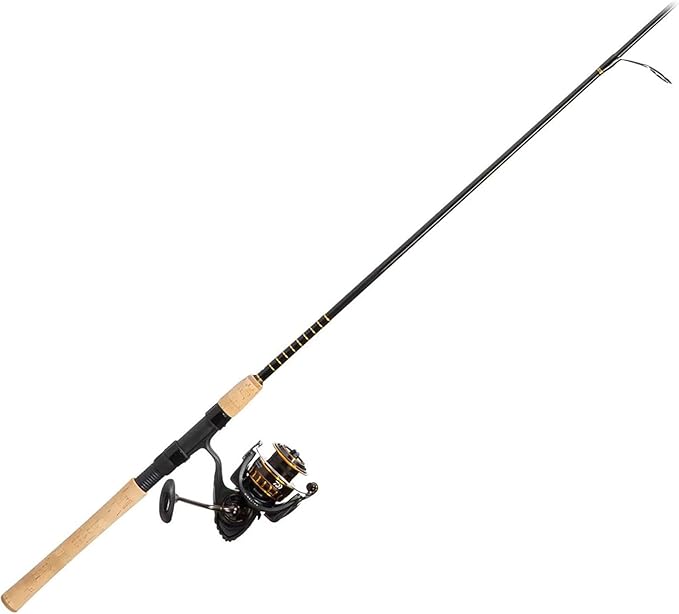
Daiwa BG Spinning Combo
For instance, in Ohio, felony convictions related to commercial fishing activities can result in permanent revocation of commercial fishing licenses. The Ohio Revised Code Section 1533.641 states:
"If a person is convicted of or pleads guilty on or after the effective date of this section to a felony related to commercial fishing activities for a violation of state or federal law, all commercial fishing licenses issued under section 1533.35 of the Revised Code and all permits to handle commercial fish or other fish at wholesale issued under section 1533.631 of the Revised Code to that person are permanently revoked by operation of law."
However, this doesn’t necessarily mean that recreational fishing is off-limits for felons in Ohio. It’s a prime example of how the type of fishing license can make a world of difference.
The Impact of Specific Crimes
Just as different lures attract different fish, various types of felony convictions can lead to different outcomes when it comes to fishing rights. In many states, wildlife-related felonies carry harsher consequences for future fishing privileges than other types of felonies.
In Florida, for example, it is illegal for convicted felons to possess firearms, including muzzleloading guns, unless they have had their civil rights restored or the gun qualifies as an antique firearm under Florida statute 790.001(1). However, properly licensed convicted felons may hunt with bows, crossbows, and airguns during hunting seasons when such devices are legal. While this specifically mentions hunting, it’s reasonable to assume similar rules might apply to fishing equipment.
Navigating the Choppy Waters of Reinstatement
For felons who’ve had their fishing rights revoked, the path to reinstatement can be as challenging as landing a trophy marlin. Many states have processes in place for felons to regain their fishing privileges, but these often involve:
- Waiting periods
- Petitions to state wildlife agencies
- Demonstrating rehabilitation
- Paying fines or fees
It’s crucial to check with your state’s wildlife or natural resources department for specific reinstatement procedures. For example, the Iowa Department of Natural Resources provides detailed information about fishing licenses and laws, which could be a valuable resource for felons seeking to understand their rights.
Practical Tips for Felons Looking to Fish
If you’re a felon hoping to enjoy the serene pleasures of fishing, here are some practical steps to take:
- Research your state's specific laws: Start by checking your state's fish and wildlife department website for information on licensing requirements for felons.
- Consider the type of fishing: Remember that regulations may differ between recreational and commercial fishing.
- Be honest on applications: Falsifying information on a fishing license application can lead to serious legal consequences.
- Seek legal advice: If you're unsure about your rights, consult with a lawyer who specializes in wildlife law or felony rights restoration.
- Look into expungement: In some cases, having your felony expunged could restore your fishing rights.
The Future of Fishing Rights for Felons
As society continues to grapple with criminal justice reform, the issue of fishing rights for felons may see changes in the coming years. Some advocates argue that restricting access to outdoor activities like fishing can hinder rehabilitation efforts.
Keep an eye on legislative changes in your state, as new laws could affect your ability to obtain a fishing license. Just as a savvy angler stays attuned to changes in water conditions, staying informed about legal developments is crucial for felons who wish to fish.