
Understanding Fishing License Requirements
Fishing licenses are legal requirements that vary from state to state, and the rules can be complex, especially when it comes to fishing from a boat. Failure to comply with these regulations can result in hefty fines and potential legal consequences. It’s essential to familiarize yourself with the specific laws in your area to avoid any unwanted surprises.
Who Needs a Fishing License on a Boat?
In most cases, anyone actively engaged in fishing activities on board a vessel is required to possess a valid fishing license. This includes:
- The boat owner or operator
- All passengers actively fishing
- Individuals assisting with baiting hooks or handling caught fish
It’s important to note that some states may have exceptions or exemptions based on age, disability status, or other factors, which we’ll explore in more detail later.
Why Fishing Licenses Matter
Fishing licenses serve a crucial purpose beyond mere legal compliance. The revenue generated from license sales directly contributes to various conservation efforts, including:
- Funding for fish stocking programs
- Habitat restoration and protection initiatives
- Research and monitoring of fish populations
- Educational programs promoting responsible fishing practices
By obtaining a fishing license, you’re actively supporting the preservation of aquatic ecosystems and ensuring the sustainability of the sport for future generations.
Navigating State-Specific Regulations
While the general principle of requiring a fishing license on board applies across most states, it’s essential to familiarize yourself with the specific regulations in your area. Here are some key considerations:
Age and Disability Exemptions
Many states offer exemptions or discounted licenses for certain age groups, such as children under a certain age or senior citizens. Additionally, individuals with disabilities may be eligible for special accommodations or exemptions.
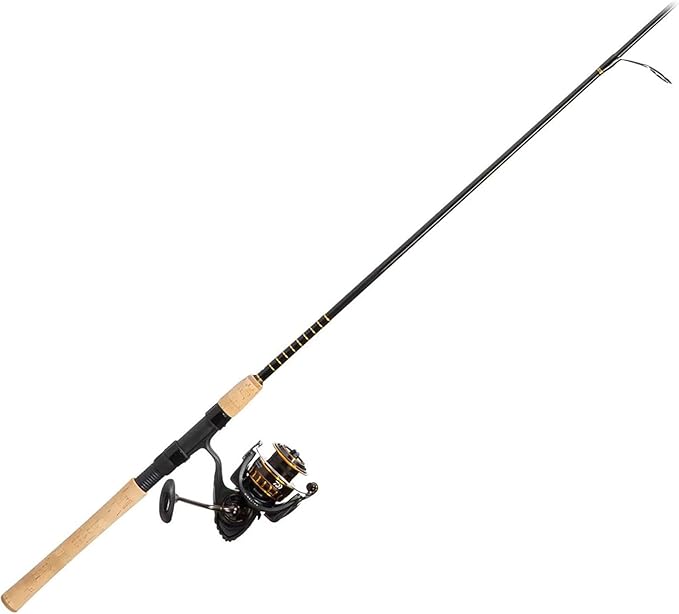
Daiwa BG Spinning Combo
Saltwater vs. Freshwater Licenses
Depending on your fishing destination, you may need to obtain separate licenses for saltwater and freshwater fishing. Some states offer combination licenses that cover both, while others require separate permits.
Reciprocal Agreements and Non-Resident Licenses
If you’re planning to fish in a state other than your home state, be sure to check if there are any reciprocal agreements or non-resident license requirements in place.
Specific Regulations for Charter Boats and Guides
When fishing from a charter boat or with a licensed guide, the licensing requirements may differ. In some cases, the guide’s license may cover all passengers, while in others, individual licenses may still be necessary.
To ensure you’re fully compliant, it’s always best to consult the official resources provided by your state’s wildlife or natural resources agency. Many states offer online license purchases and provide detailed information on their websites.
Enhancing Your Fishing Experience
Obtaining the proper fishing licenses not only ensures legal compliance but also contributes to a more enjoyable and responsible fishing experience. By supporting conservation efforts, you’re helping to preserve the natural resources that make fishing such a beloved pastime.
Remember, fishing regulations are in place to protect our aquatic ecosystems and ensure the sustainability of the sport for generations to come. By adhering to these rules, you’re doing your part in preserving the beauty and abundance of our waterways.
For more information and to purchase your fishing license, visit the official website of your state’s wildlife or natural resources agency: